New things to discover? Archaeological Finds in Jordan
by Sarah Wenner, PhD, Provenance Researcher & Object Historian, Cincinnati Art Museum; Assistant Professor, American Center of Research, Amman Jordan
12/22/2025
By far the most common question that I am asked as an archaeologist is, “What is there still left to find?” Renewed work at the ancient site of Humayma in southern Jordan provides a clear answer.
In my new role as jointly appointed Provenance Researcher & Object Historian at the Cincinnati Art Museum and Assistant Professor at the American Center of Research (Amman, Jordan), I spend most of my time in Cincinnati working with the CAM collection. But, at least once a year, I also teach courses and conduct fieldwork in Jordan. This past summer, my two co-directors at the University of Alberta (Canada) and I renewed work at Humayma, a Nabataean* through Islamic period site.
Although this season’s primary goal was to assess the site’s preservation, new discoveries awaited us, including a previously unknown church. Recognized by the curve of the apse, it represents the sixth church (likely fifth–seventh century CE) at the relatively small site (about one square kilometer).
So, are there still new things to discover? Absolutely, yes! Ancient sites mostly remain unexcavated, meaning that there is great potential for future work. The newly discovered church represents just one of these opportunities—I’ll save details about the underground tombs (or hypogeum) also identified in the 2025 season for another blog post. Stay tuned!
Scroll through the slide show below to see site images and illustrations of fun finds.
*The Nabataean Kingdom (fourth century BCE through second century CE) stretched across modern-day Jordan, southern Syria, the Negev, and northern Saudi Arabia. The Nabataeans were known as facilitators of the incense trade, and they built their capital city at Petra (in Jordan). To learn more and see Nabataean objects, visit the CAM’s Ancient Middle East galleries.
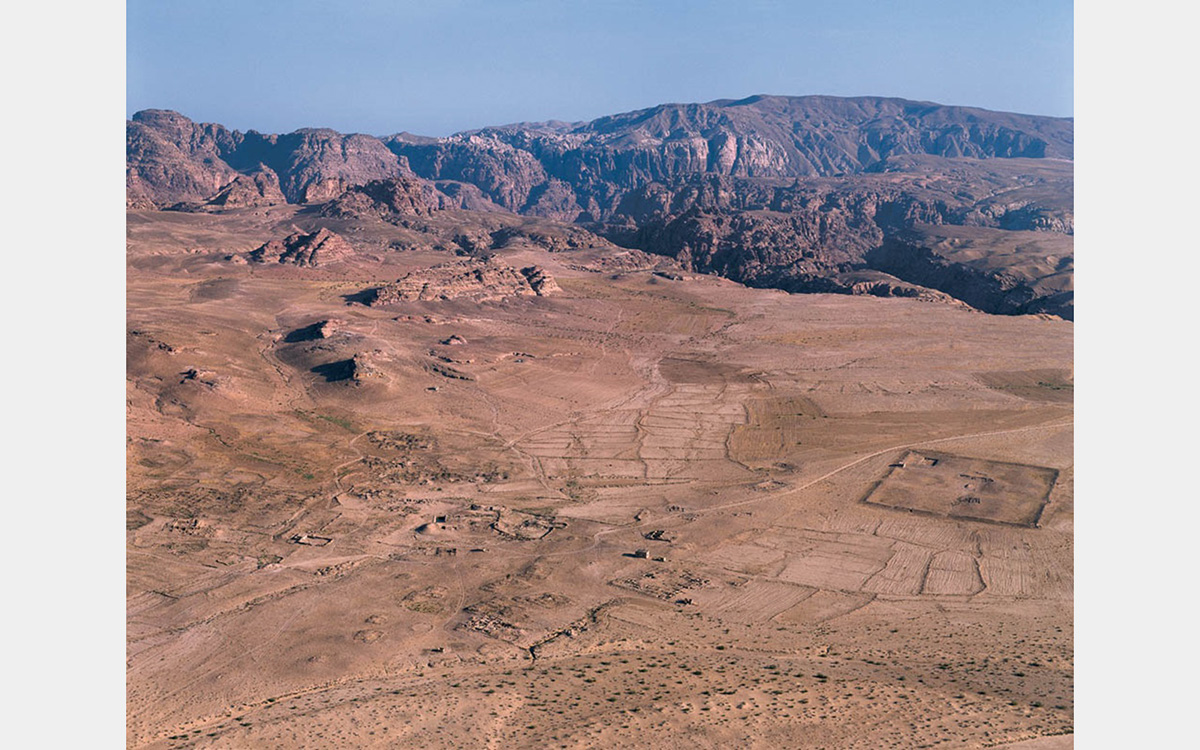
Aerial view of the Humayma archeological site in southern Jordan.
Photo by Jane Taylor.
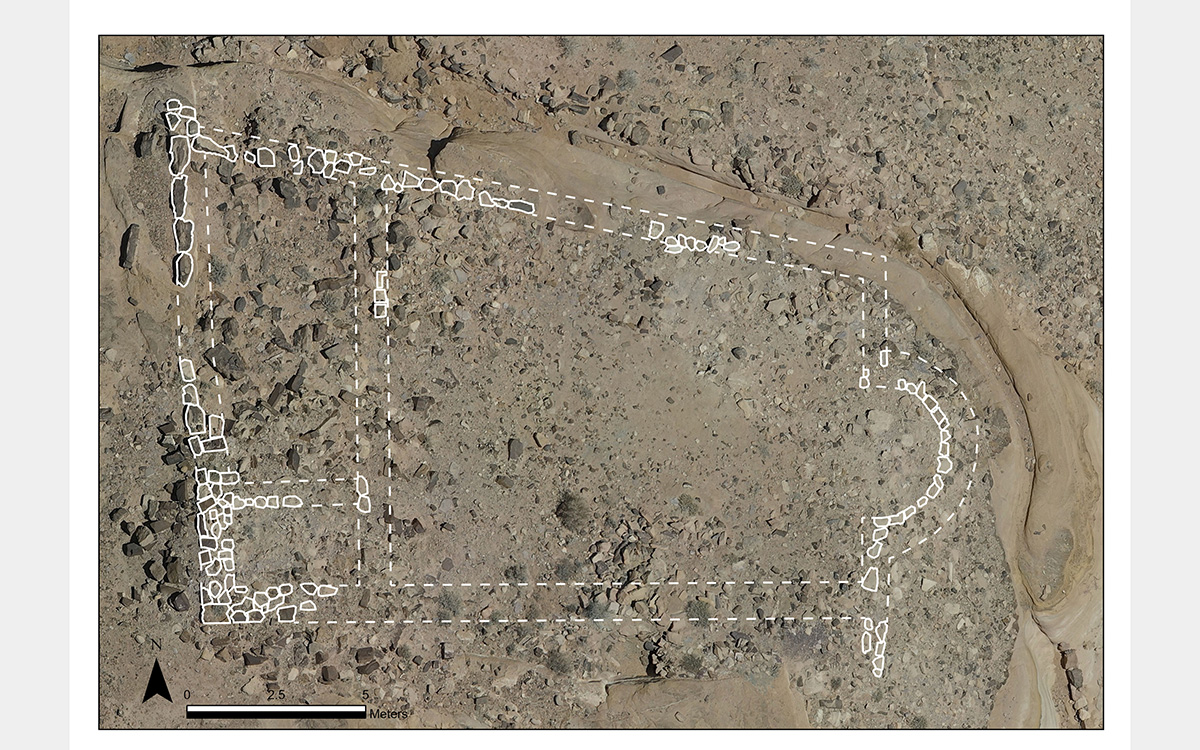
Plan of the newly discovered sixth church at the archaeological site of Humayma in southern Jordan.
Image courtesy of the Humayma Excavation Project, 2025.
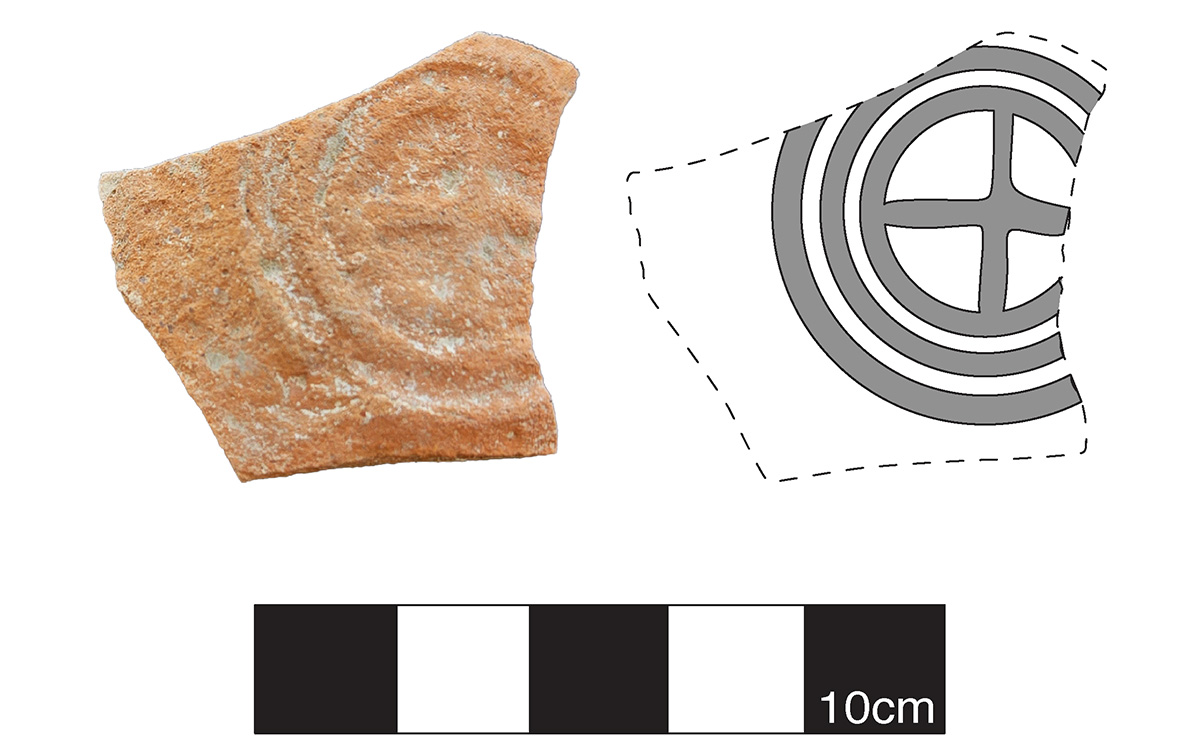
Ceramic sherd with a cross, likely from a lamp, recovered during the 2025 survey (not from the church).
Illustration courtesy of the Humayma Excavation Project, 2025.
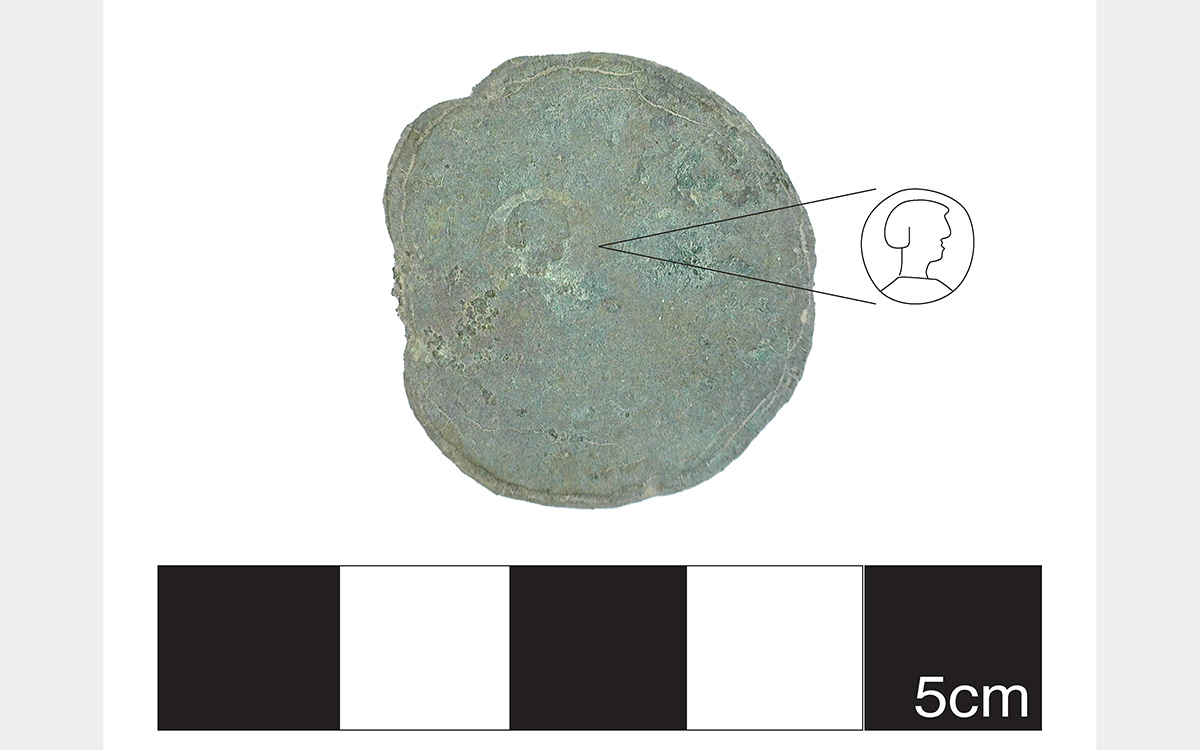
Recycled/ancient counterfeit Roman period bronze coin, with countermarked portrait illustrated (not from the church).
Illustration courtesy of the Humayma Excavation Project, 2025.
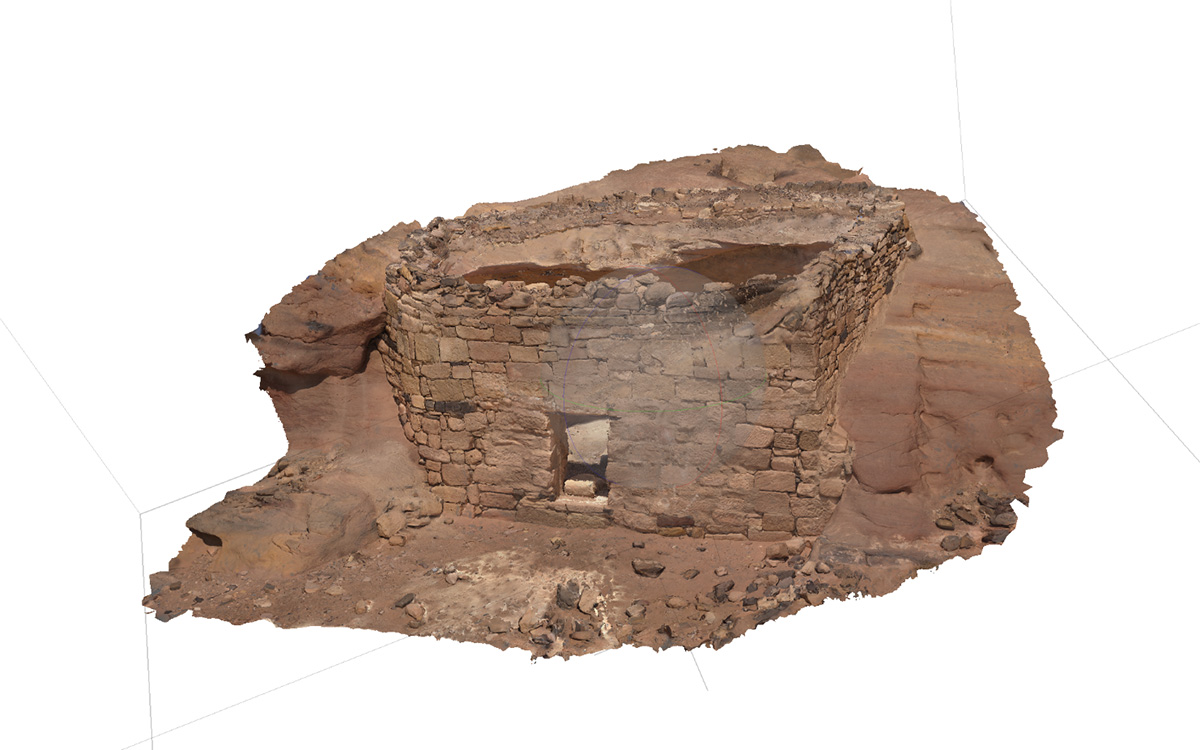
3-D model of a Nabataean tomb made in 2025 for documentation purposes (previously excavated).
Photo courtesy of the Humayma Excavation Project, 2025.
Related Blog Posts

Cincinnati, OH 45202
Toll Free: 1 (877) 472-4226
Museum Hours
Museum Shop
Terrace Café
Library
Cincinnati Art Museum is supported by the tens of thousands of people who give generously to the annual ArtsWave Campaign, the region's primary source for arts funding.

Free general admission to the Cincinnati Art Museum is made possible by a gift from the Rosenthal Family Foundation. Exhibition pricing may vary. Parking at the Cincinnati Art Museum is free.
Generous support for our extended Thursday hours is provided by Art Bridges Foundation’s Access for All program.

General operating support provided by: