- Art
- Exhibitions
- The Art of Charley Harper: Creatures Wild and Tame
- Nancy Rexroth: Secrets of My Power
- Yayoi Kusama: All the Eternal Love I Have for the Pumpkins
- Special Features
- Upcoming Exhibitions
- Past Exhibitions
- Online Exhibitions
- Explore the Collection
- Provenance and Cultural Property
- Conservation
- Meet the Curators
- Digital Resources
- Art Bridges Cohort Program
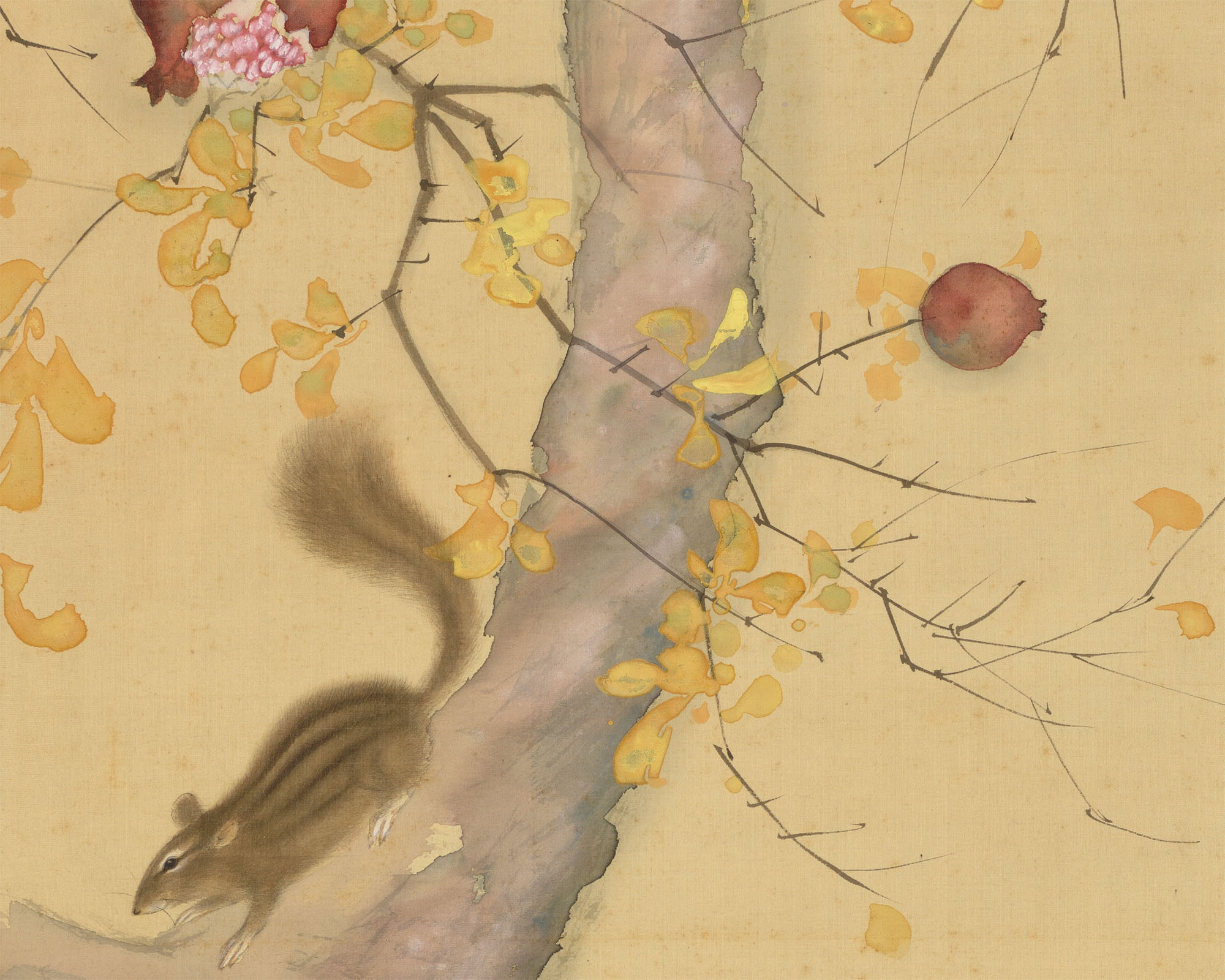
Tsuchiya Reisetsu 土屋嶺雪 (Japanese, 1881–1965), Squirrels and Pomegranate (detail), early 20th century, hanging scroll, ink and color on silk, Gift of Dr. Toshihide Hirose, 2025.87
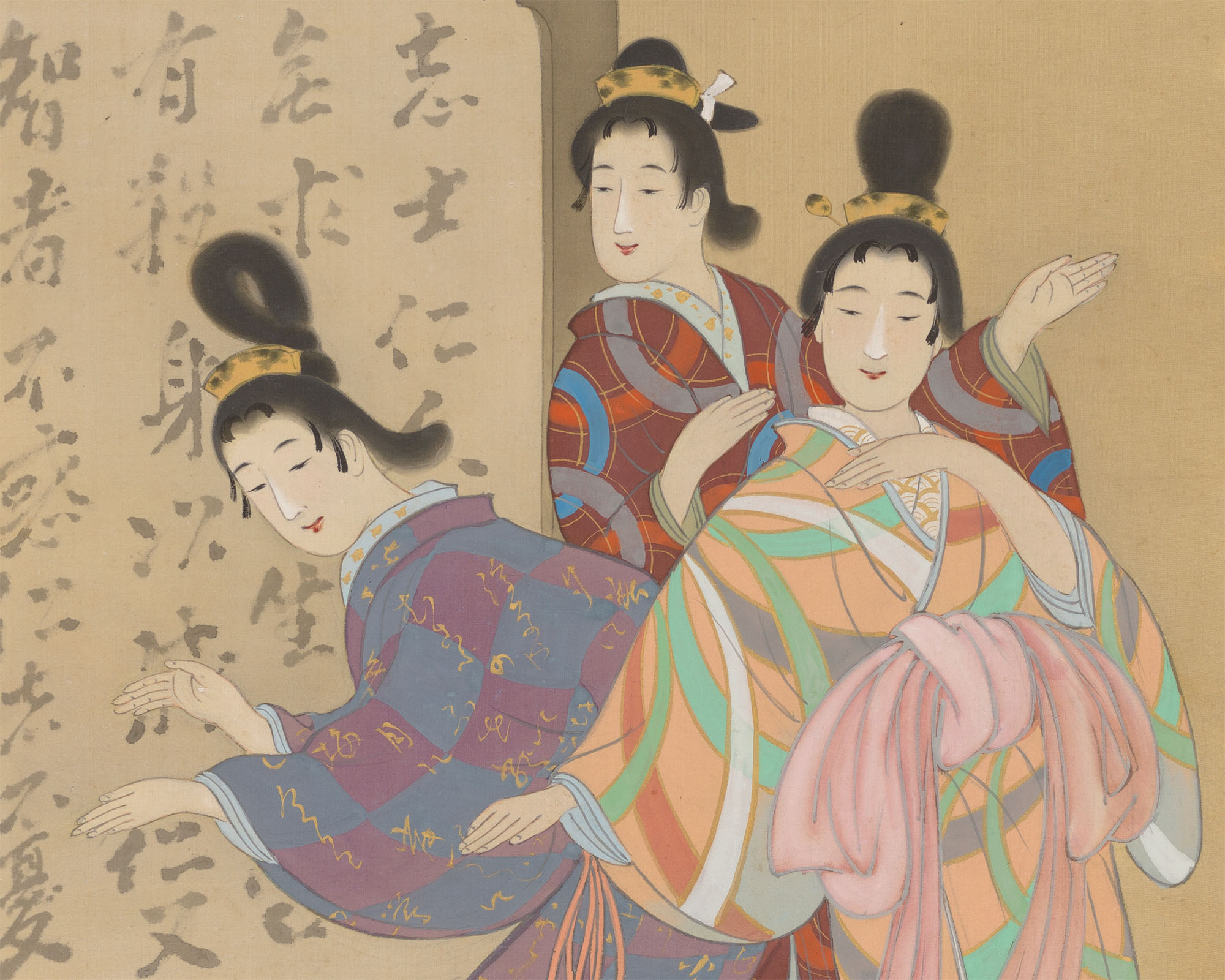
Tsuchiya Reisetsu 土屋嶺雪 (Japanese, 1881–1965), The Ichiriki Teahouse (detail), early 20th century, hanging scroll, ink and color on silk, Gift of Dr. Toshihide Hirose, 2025.89
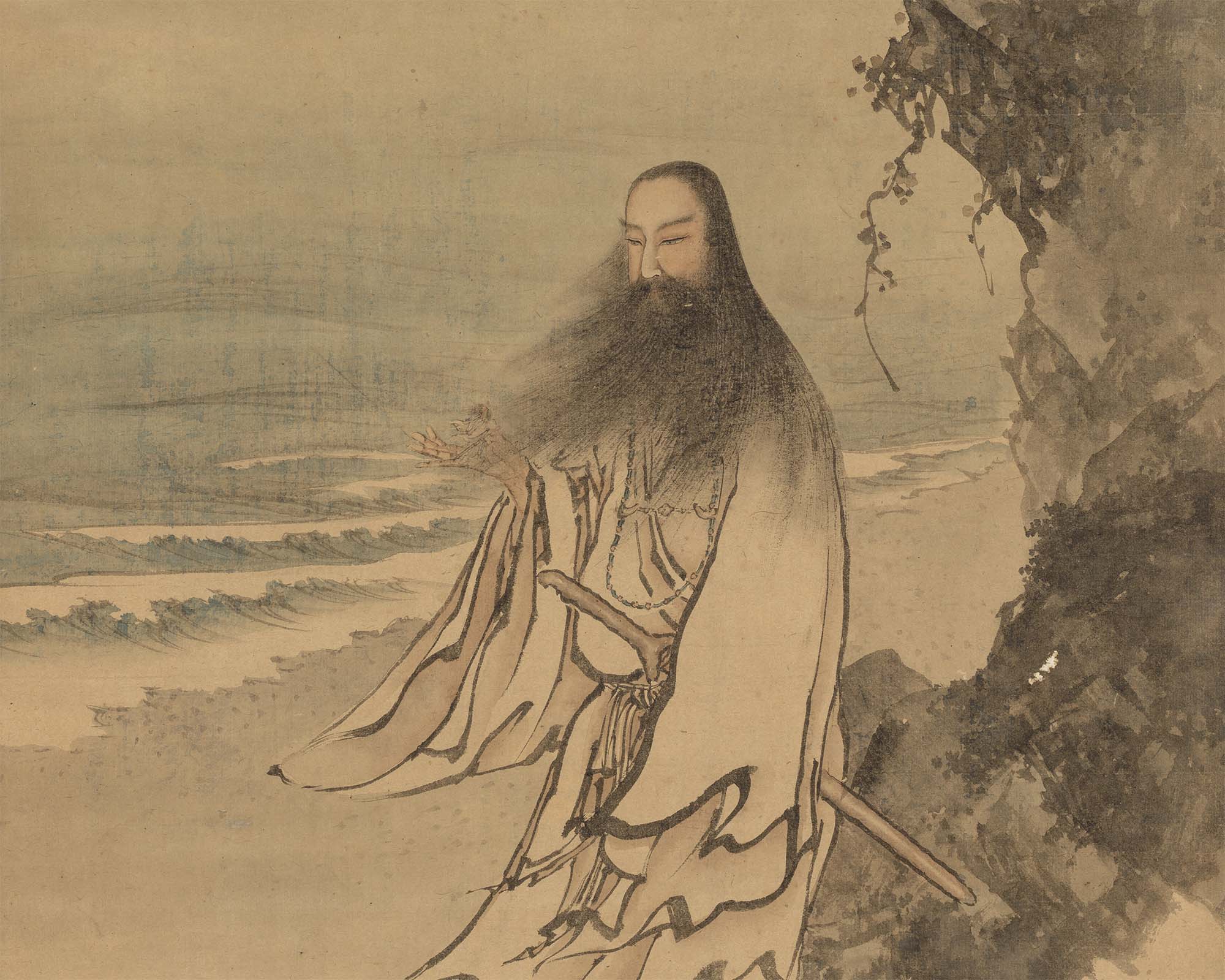
Kagawa Hōen 香川芳園 (Japanese, 1840–1912?), A Mythical Figure (detail), Meiji period (1868–1912), hanging scroll, ink and color on paper, Gift of Dr. Toshihide Hirose, 2025.100
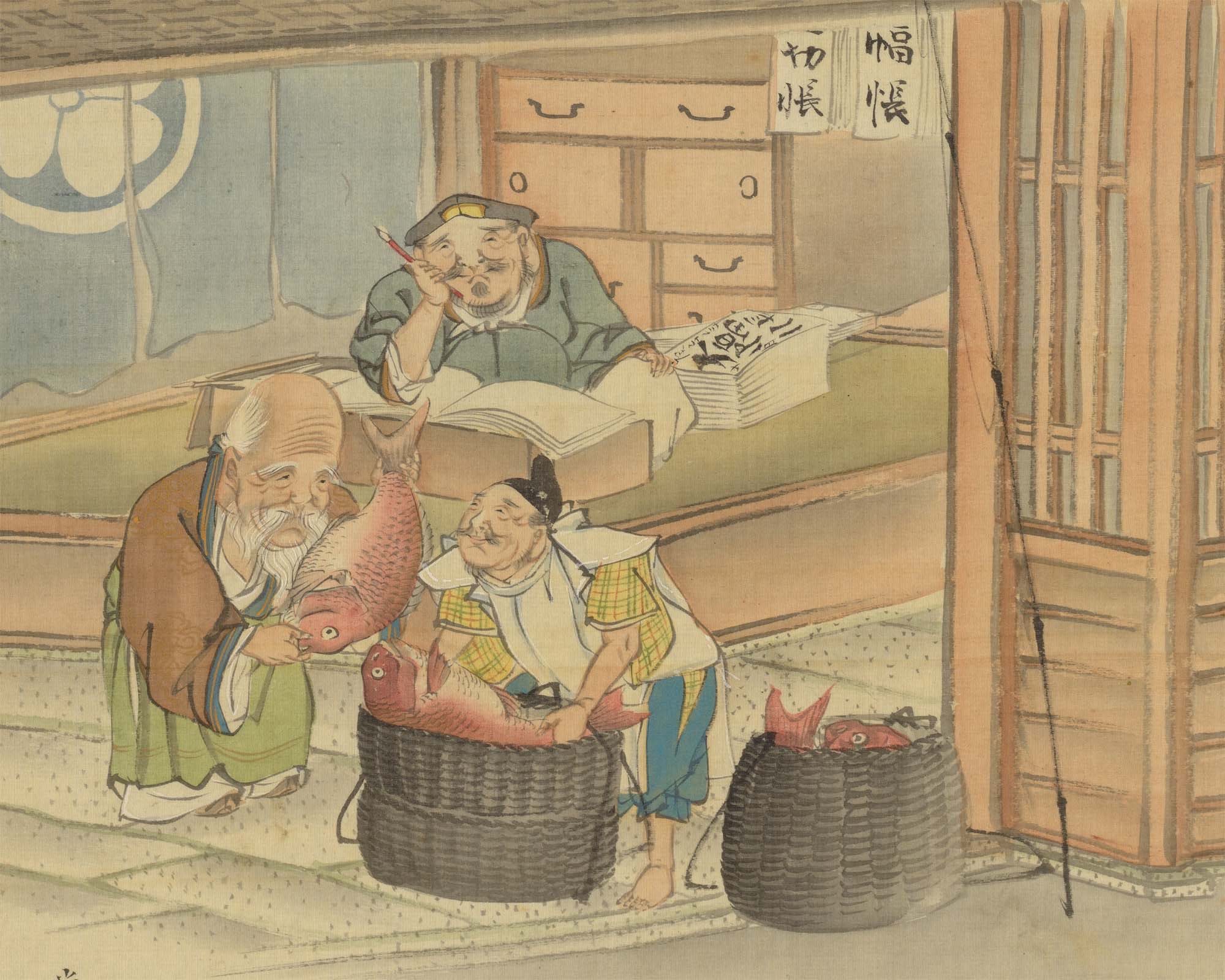
Maekawa Bunrei 前川文嶺 (Japanese, 1837–1917), Three Lucky Gods (detail), Meiji period (1868–1912), hanging scroll, ink and color on silk, Gift of Dr. Toshihide Hirose, 2025.111
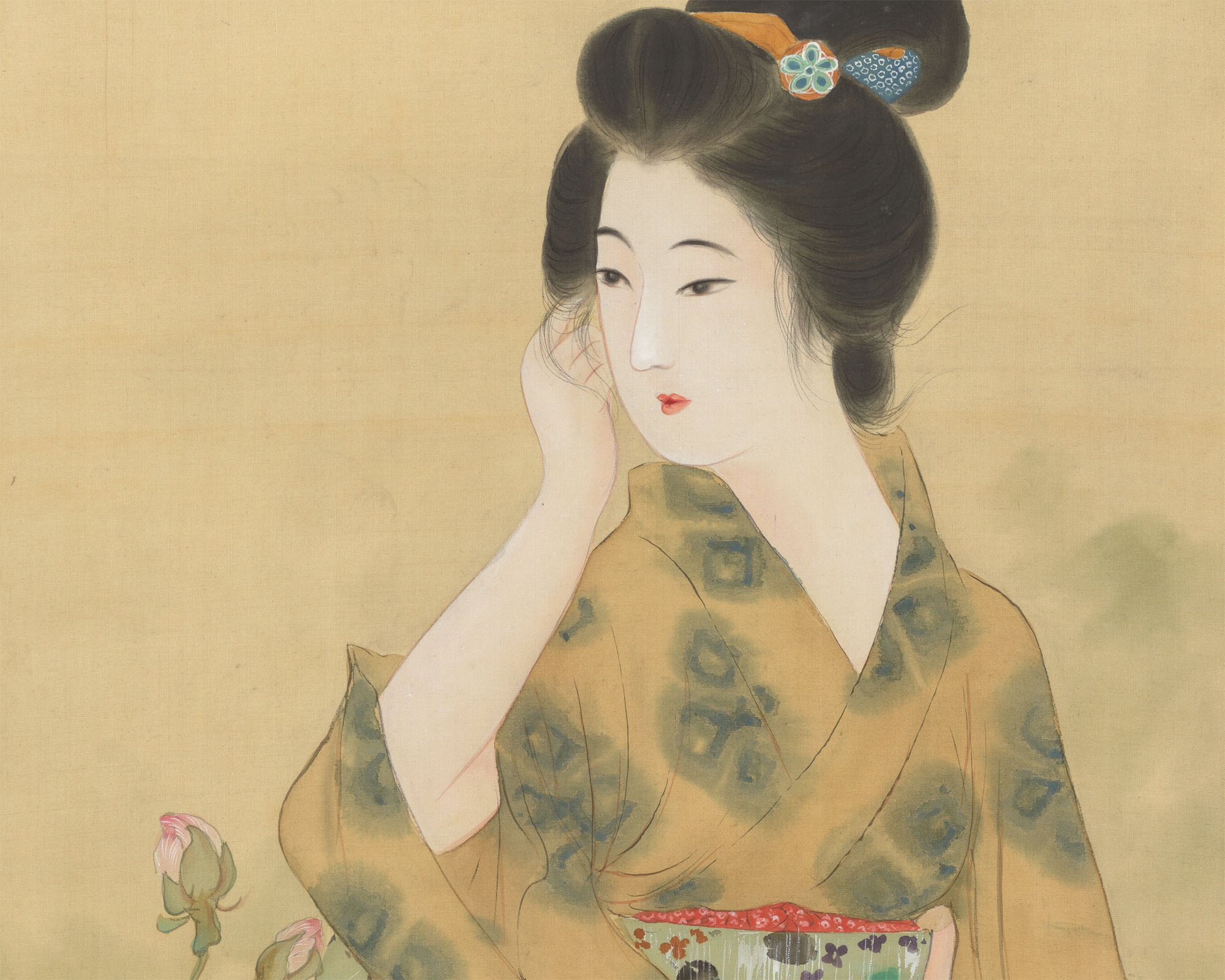
Tanaka Rankoku 田中蘭谷 (Japanese, 1884–1959), Beauty with Hibiscus Flowers (detail), early 20th century, hanging scroll, ink and color on silk, Gift of Dr. Toshihide Hirose, 2025.114
Gifts from Japan
Now–October 8, 2026
Conversations Gallery
In early 2025, the museum’s department of East Asian Art received a gift of 40 Japanese paintings from Dr. Toshihide Hirose, an orthodontist and art collector in Hirosaki, Japan. Dr. Hirose is an old and admired friend I first met through our shared research. In addition to his dental practice, Dr. Hirose engages in the research of local Japanese history and participates in regional art events. Through his interests in art, he became an avid collector of Japanese paintings of the late Meiji (1868–1912) and early Shōwa (1926–1989) eras.
Upon his pending retirement, Dr. Hirose gifted the majority of his Japanese painting collection to the Cincinnati Art Museum. Four of the paintings relate directly to my earlier research on artists Hōen Yoshiteru (1866–1900) and Kagawa Hōen (1840–1912).
In addition to Kagawa, the 40 gifted paintings represent the work of eight other artists: Tsuchiya Reisetsu (1881–1965), Tanaka Rankoku (1894–1959), Mochizuki Gyokusen (1834–1913), Yamamoto Shuntei (1889–1985), Kondo Suiseki (1870–1950), Maekawa Bunrei (1837–1917), Tatewaki Taizan (1886–1970), and Bunji Miura (1906–1994). Together, these artists covered a wide range of subjects, including legendary heroes, beautiful women, Kabuki actors, mythical gods, Daoist immortals, landscapes, flower-and-birds, and animals. With the rich narrative and historical contents of this pivotal time, these works have not only strengthened and extended the museum’s holdings of Japanese painting to the twentieth century—an intention of Dr. Hirose’s gift—but also greatly enriched the collection’s cultural and artistic scope.

Cincinnati, OH 45202
Toll Free: 1 (877) 472-4226
Museum Hours
Museum Shop
Terrace Café
Library
Cincinnati Art Museum is supported by the tens of thousands of people who give generously to the annual ArtsWave Campaign, the region's primary source for arts funding.

Free general admission to the Cincinnati Art Museum is made possible by a gift from the Rosenthal Family Foundation. Exhibition pricing may vary. Parking at the Cincinnati Art Museum is free.
Generous support for our extended Thursday hours is provided by Art Bridges Foundation’s Access for All program.

General operating support provided by: