- Art
- Exhibitions
- Longing: Painting from the Pahari Kingdoms of the Northwest Himalayas
- What, Me Worry? The Art and Humor of MAD Magazine
- Special Features
- Upcoming Exhibitions
- Past Exhibitions
- Online Exhibitions
- Explore the Collection
- Provenance and Cultural Property
- Conservation
- Meet the Curators
- Digital Resources
- Art Bridges Cohort Program
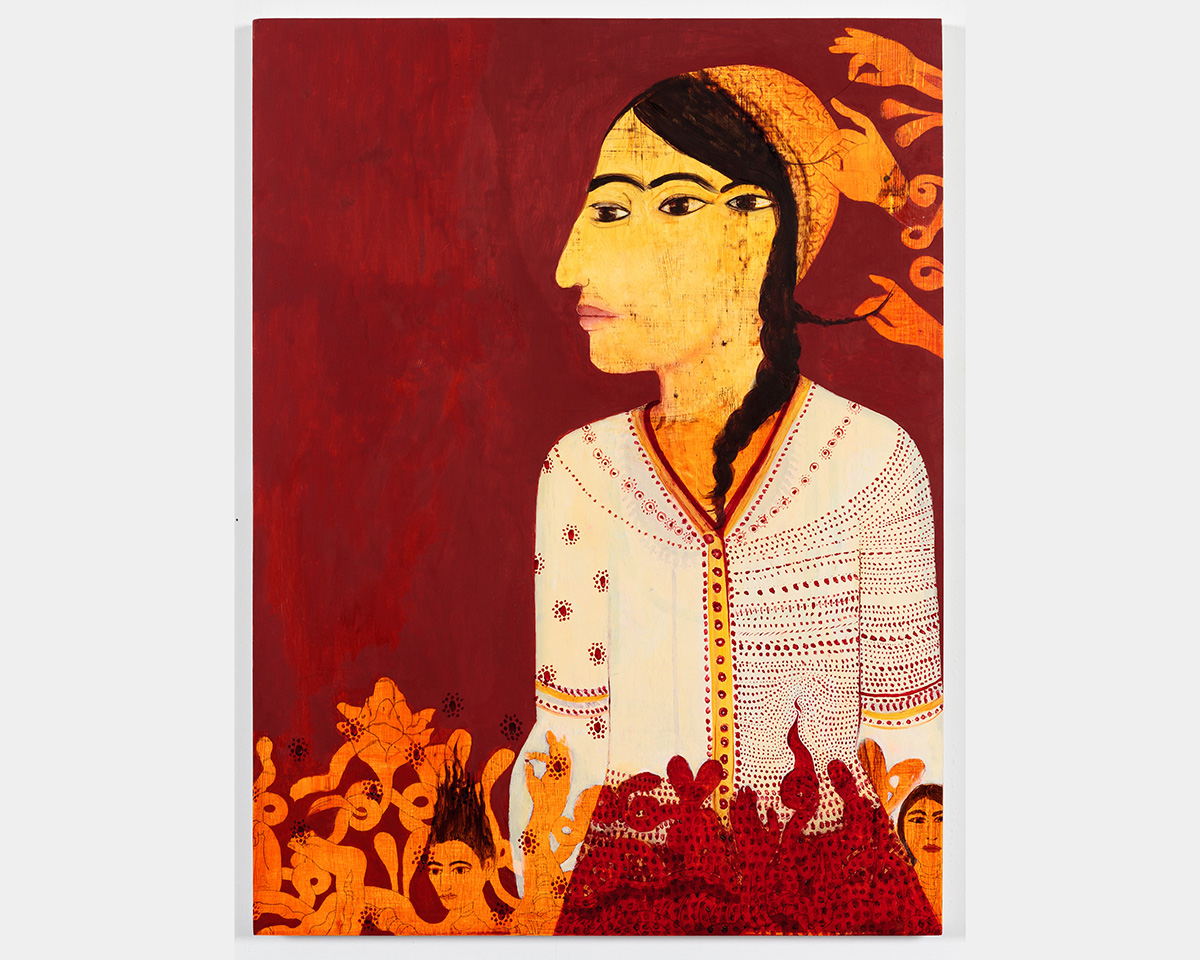
Samira Abbassy (American and British, b. 1965 in Ahwaz, Iran), Ghosts of her Migration, 2016, oil on gesso panel, Museum Purchase: Alice Bimel Endowment for Asian Art, 2025.15
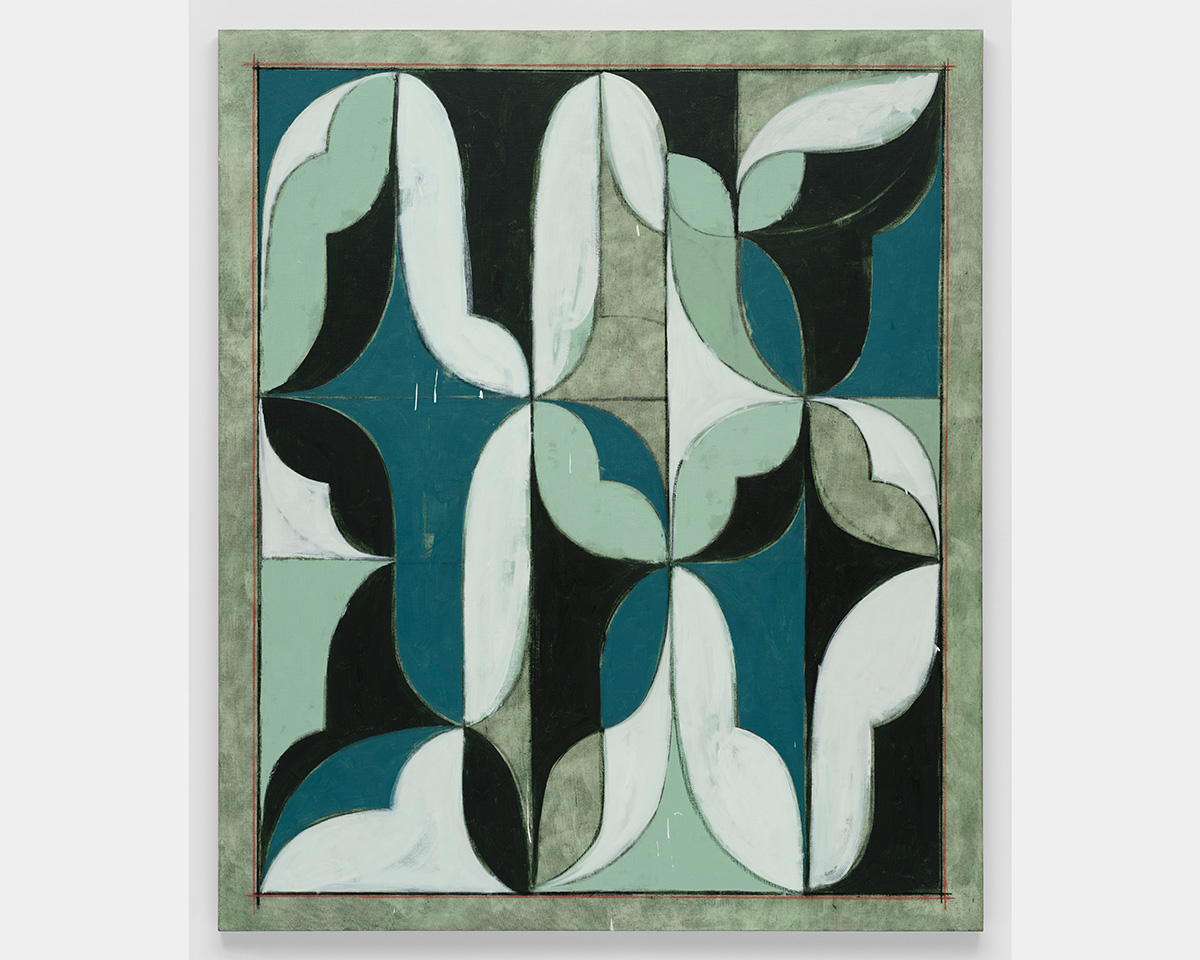
Kamrooz Aram (American, b. 1978 in Shiraz, Iran), Untitled (Arabesque Composition), 2023, oil, oil crayon, and pencil on linen, Museum Purchase: Alice Bimel Endowment for Asian Art, 2024.19
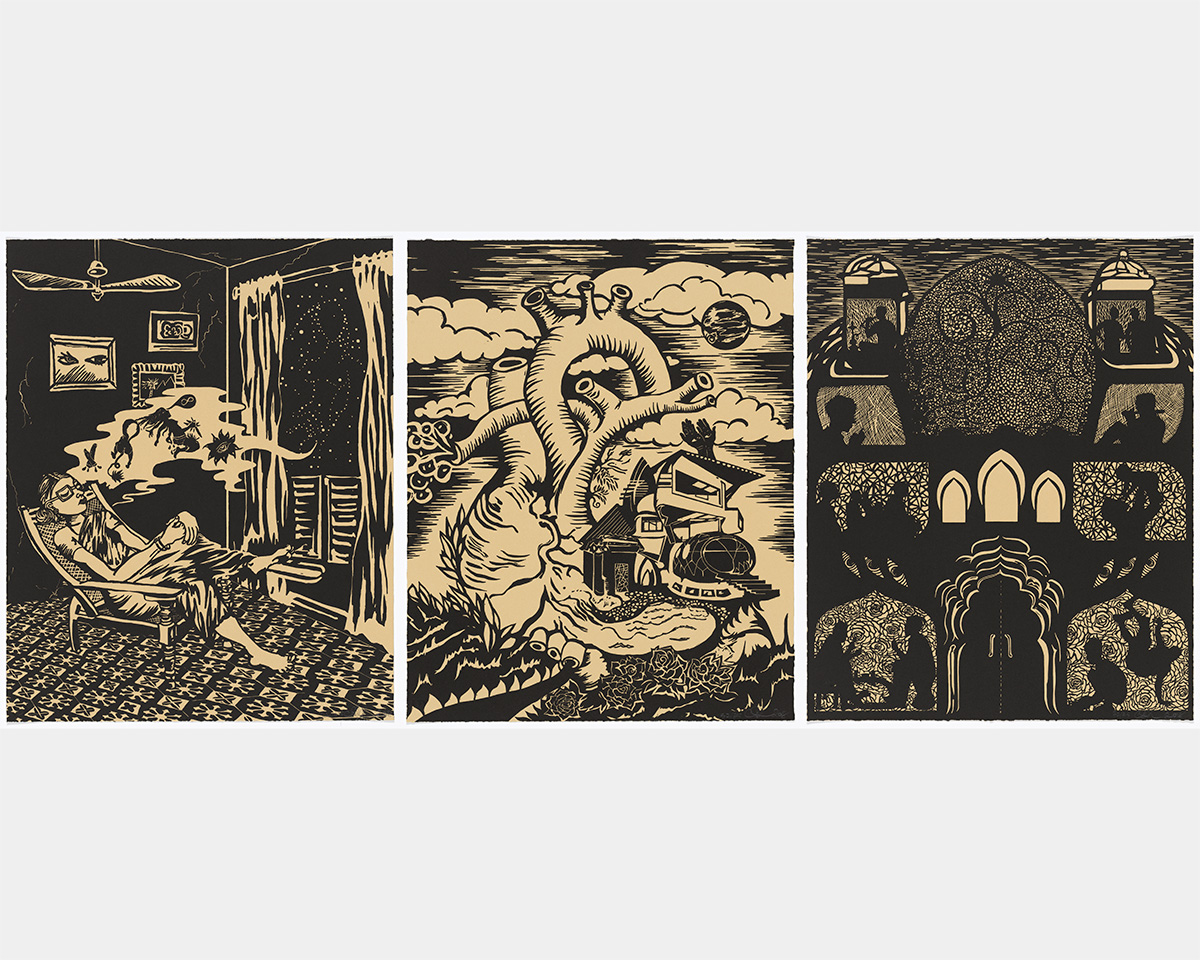
Chitra Ganesh (Indian and American, b. 1975), Selections from Sultana’s Dream, 2018, 3 linoleum cuts from a portfolio of 27; edition of 35, Museum Purchase: Alice Bimel Endowment for Asian Art, 2024.26.1, 7, 12
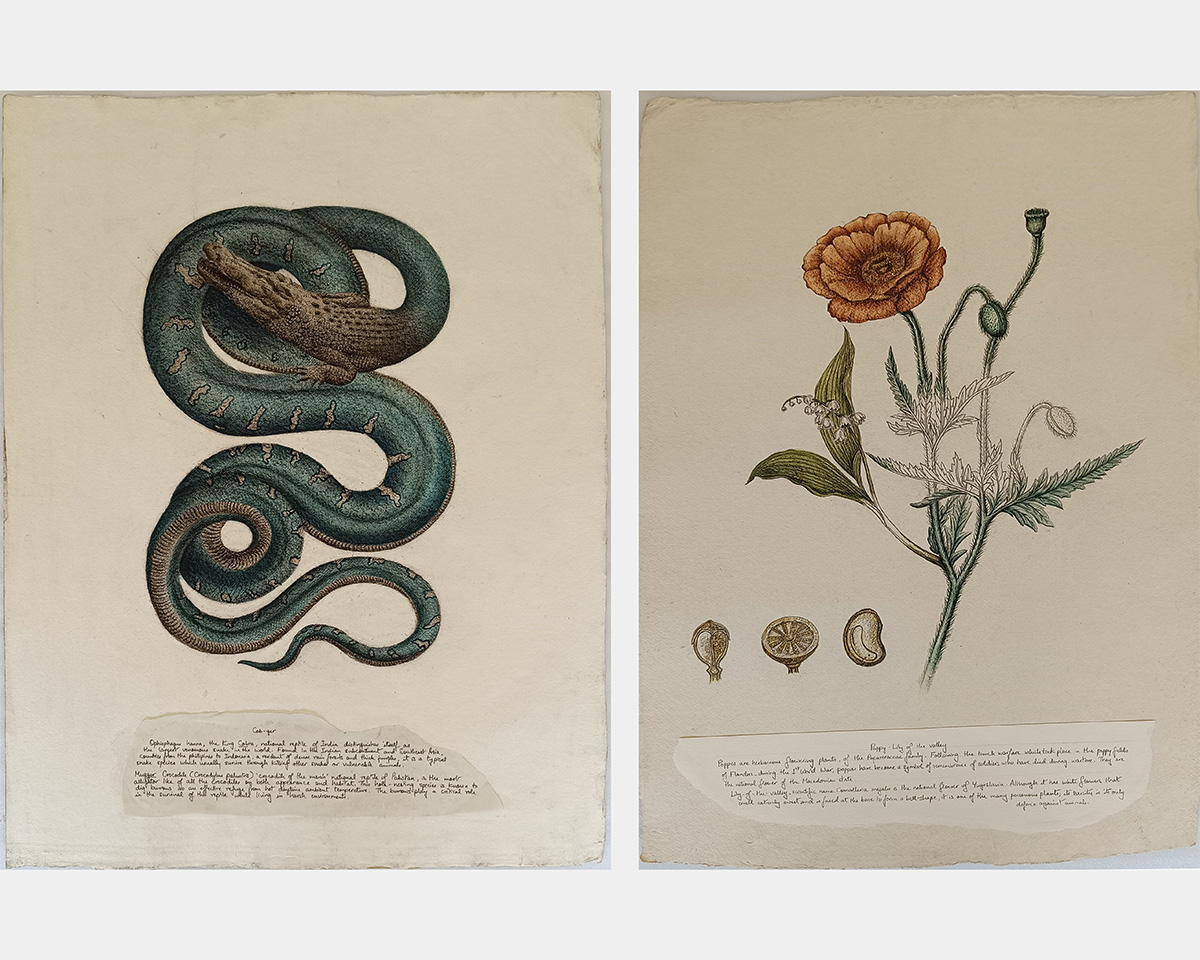
Reena Saini Kallat (Indian, b. 1973), Hyphenated Lives (Cob-ger) (left) and Hyphenated Lives (Poppy-Lily of the Valley) (right), from the series Hyphenated Lives, 2023, gouache, charcoal, and ink on deckle-edge handmade paper, Museum Purchase: Alice Bimel Endowment for Asian Art, 2024.21 and 2024.20
New Acquisitions in the Department of South Asian Art, Islamic Art, & Antiquities
November 6, 2025–March 8, 2026
Gallery 150
Recently installed in CAM’s New Acquisitions Gallery (G150) are works by four internationally acclaimed living artists: Samira Abbassy, Kamrooz Aram, Chitra Ganesh, and Reena Saini Kallat. Seen together, these artworks represent the contemporary collecting strategy of the Department of South Asian Art, Islamic Art, and Antiquities. Working with artists and galleries, CAM is building a collection reflective of the vibrant artistic networks across South and West Asia, as well as the region’s diasporic communities in the US, Canada, and UK.
In Ghosts of her Migration, Samira Abbassy explores her own Iranian heritage to ask broader questions about identity and belonging through a unique symbolic vocabulary. Kamrooz Aram’s painting Untitled (Arabesque Composition) explores the complicated relationship between Modernism and ornament by activating the “arabesque,” questioning the often-arbitrary distinction between what is considered “ornamentation” and “art.” Chitra Ganesh’s portfolio Sultana’s Dream (12 of which are currently on view) illustrates Rokeya Sakhawat Hossain’s 1905 satirical feminist manifesto while also drawing upon themes of technology, futurism, environmentalism, popular culture, and colonialism to upend the gender imbalance faced by Hossain at the turn of the twentieth century. Finally, Reena Saini Kallat’s Cobger and Poppy-Lily of the Valley combine animals, trees, or plants that are considered the national symbols of rival countries to emphasize how the natural world is uncontained by political boundaries. Visit us soon to see these incredible artworks in person.

Cincinnati, OH 45202
Toll Free: 1 (877) 472-4226
Museum Hours
Museum Shop
Terrace Café
Library
Cincinnati Art Museum is supported by the tens of thousands of people who give generously to the annual ArtsWave Campaign, the region's primary source for arts funding.

Free general admission to the Cincinnati Art Museum is made possible by a gift from the Rosenthal Family Foundation. Exhibition pricing may vary. Parking at the Cincinnati Art Museum is free.
Generous support for our extended Thursday hours is provided by Art Bridges Foundation’s Access for All program.

General operating support provided by: