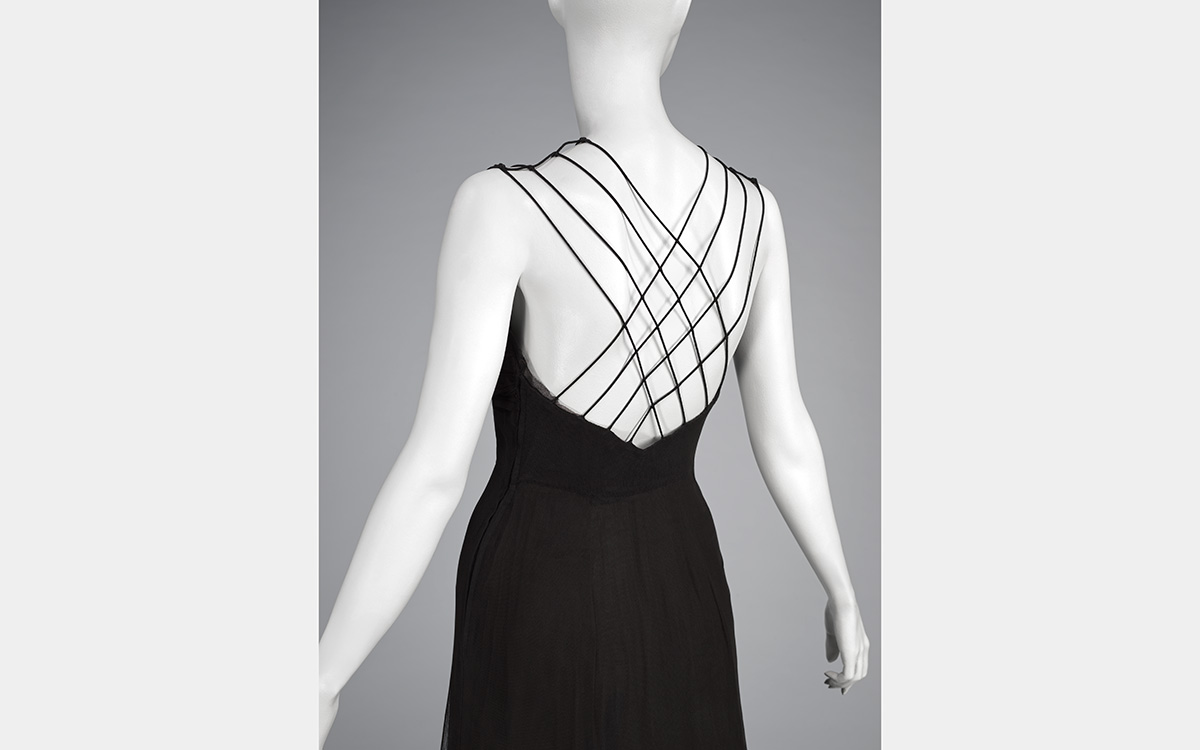
Elizabeth Hawes (American, 1903–71), Dress (detail), 1935, silk, cotton, Cincinnati Art Museum, Gift of Dorette Kruse Fleischmann in memory of Julius Fleischmann, 1991.202, Photography by Rob Deslongchamps
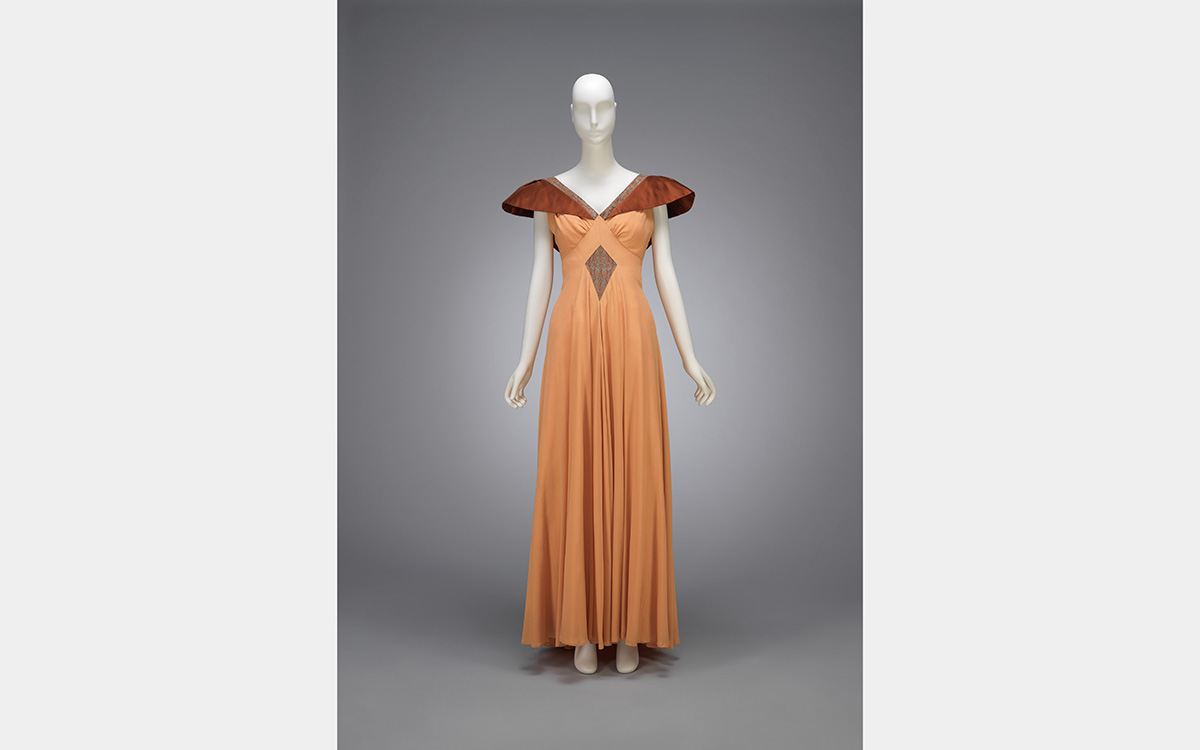
Elizabeth Hawes (American, 1903–71), Evening Dress, 1937, silk, Cincinnati Art Museum, Gift of Dorette Kruse Fleischmann in memory of Julius Fleischmann, 1991.205, Photography by Rob Deslongchamps
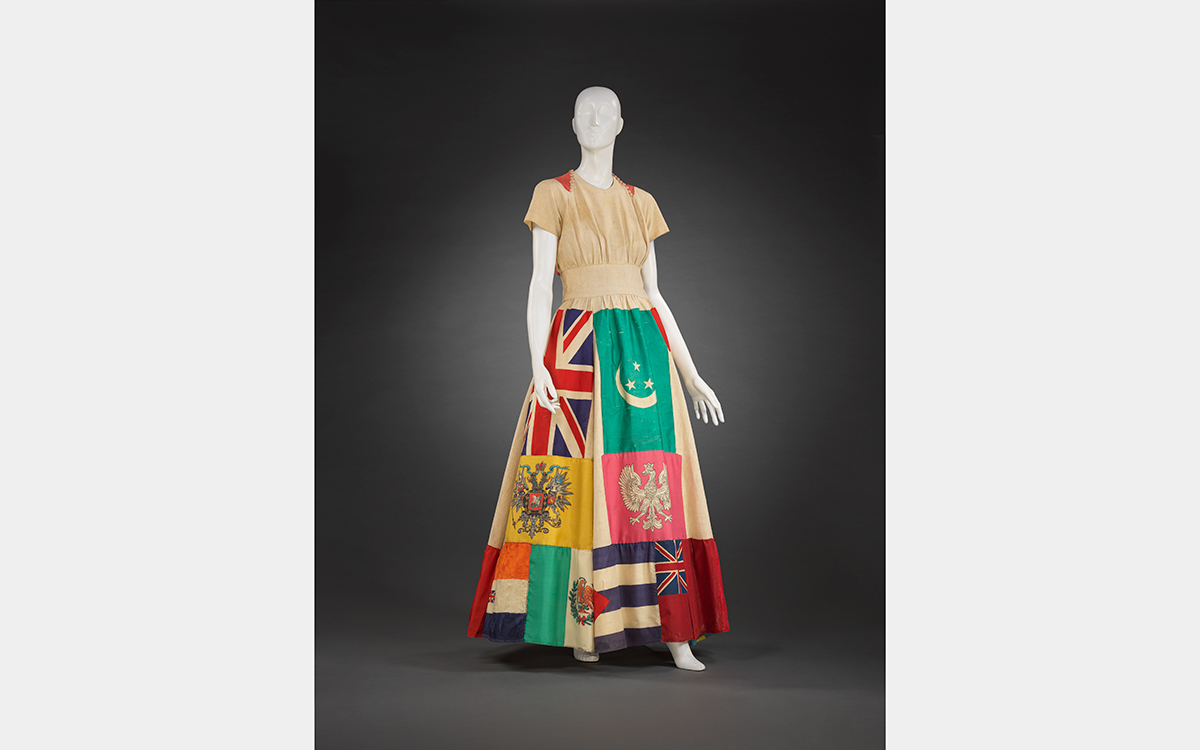
Elizabeth Hawes (American, 1903–71), “Geographic”, 1940, linen, silk, Cincinnati Art Museum, Museum Purchase: Fashion Arts Purchase Fund, 2011.31, Photography by Rob Deslongchamps
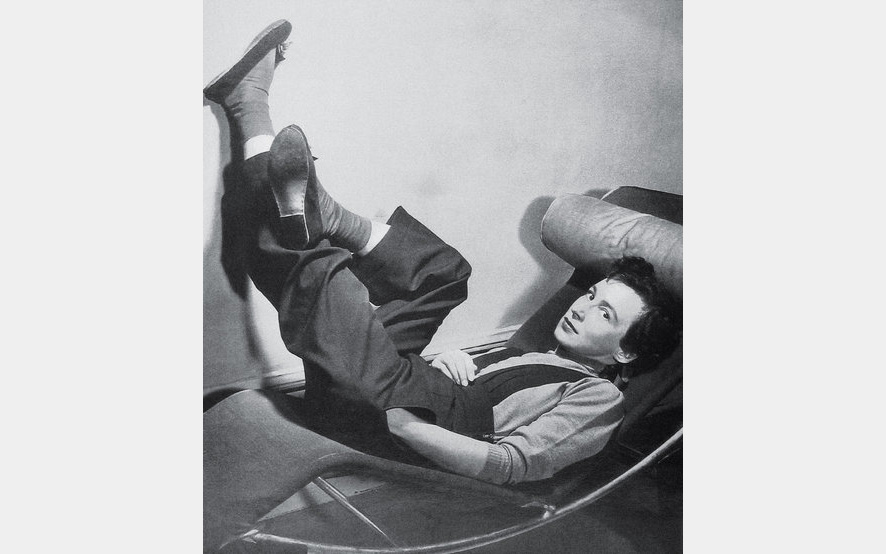
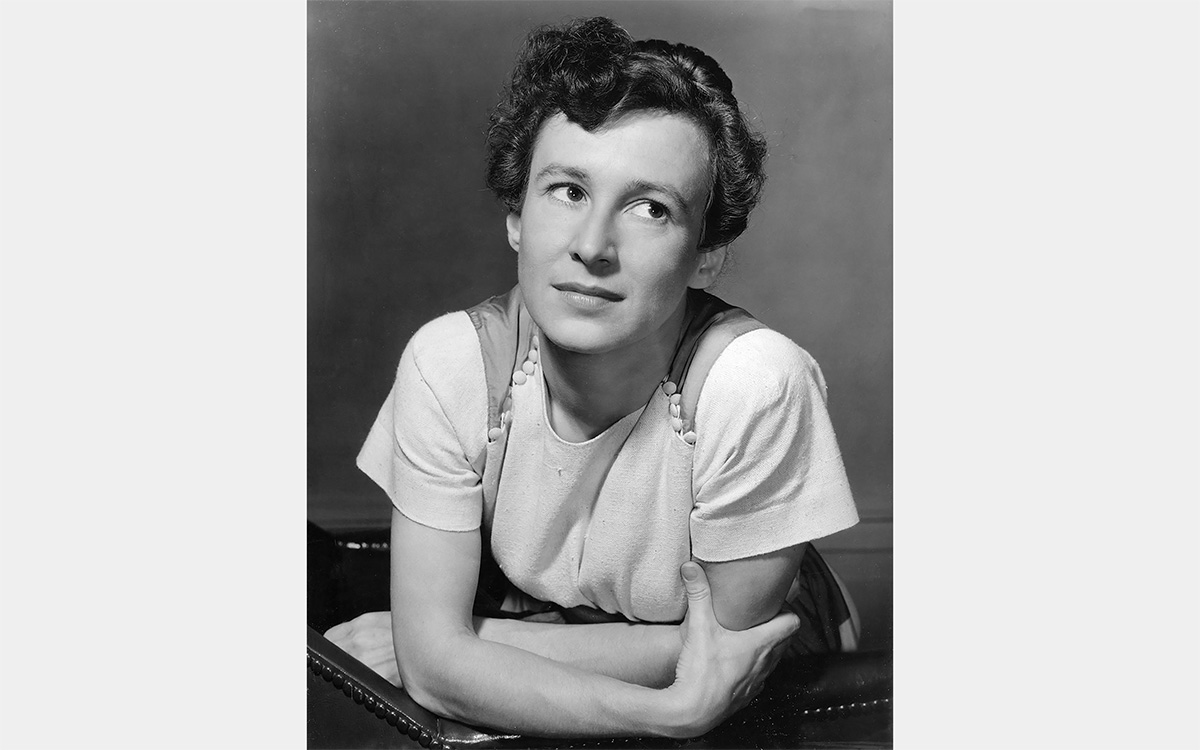
Elizabeth Hawes: Radical American Fashion
April 24–August 2, 2026
Free Admission
Read the Press Release
Featuring more than 50 garments made between the 1920s and 1960s as well as original sketches and illustrations, Elizabeth Hawes: Radical American Fashion tells the story of one of the women who helped to shape an American identity within fashion design and personal expression. Elizabeth Hawes was a radical designer, author, and social commentator. She operated her own house in New York from 1928–1940, authored nine books on fashion and its function in society, was at one point blacklisted by the FBI for her progressive socio-political views, and importantly, influenced a generation of American designers who followed her. Largely overlooked by scholars for several decades, this is the first major museum exhibition focused on Hawes’ body of work.
Hawes is generally regarded as the first visible and vociferous American couturier. She knew the power of publicity and throughout the 1930s her every move seemed newsworthy. Hawes’ approach to clothing design was to delve into the psyche of the client. She felt that clothing was a direct expression of the self, and that style did not have to follow or be dictated by the fashion industry. She forecasted methods of dress that were not realized until the 1960s or later, including gender neutral designs and an approach to manufacturing that made quality garments more widely available outside the realm of the wealthy elite.
This exhibition explores Hawes’ early approach to design and construction and the evolution of her career, particularly pre-WWII; as well as 1920s garments from designers who set the stage for her, and pieces by designers which show her enduring influence.

Cincinnati, OH 45202
Toll Free: 1 (877) 472-4226
Museum Hours
Museum Shop
Terrace Café
Library
Cincinnati Art Museum is supported by the tens of thousands of people who give generously to the annual ArtsWave Campaign, the region's primary source for arts funding.

Free general admission to the Cincinnati Art Museum is made possible by a gift from the Rosenthal Family Foundation. Exhibition pricing may vary. Parking at the Cincinnati Art Museum is free.
Generous support for our extended Thursday hours is provided by Art Bridges Foundation’s Access for All program.

General operating support provided by: