- Art
- Exhibitions
- The Art of Charley Harper: Creatures Wild and Tame
- Nancy Rexroth: Secrets of My Power
- Special Features
- Upcoming Exhibitions
- Past Exhibitions
- Online Exhibitions
- Explore the Collection
- Provenance and Cultural Property
- Conservation
- Meet the Curators
- Digital Resources
- Art Bridges Cohort Program

Plate, 2026, Terence Hammonds (American, b. 1976), Rebecca Rohr (American, b. 1994), potter, glazed porcelain with transfer print, Courtesy of the artist, © Terence Hammonds, 2026, photography by Rob Deslongchamps

Protest Cups, 2026, Terence Hammonds (American, b. 1976), glazed porcelain with transfer print, Courtesy of the artist, © Terence Hammonds, 2026, photography by Rob Deslongchamps

Low End Theory, 2026, Terence Hammonds (American, b. 1976), Rebecca Rohr (American, b. 1994), potter, glazed porcelain with transfer print, Courtesy of the artist, © Terence Hammonds, 2026, photography by Rob Deslongchamps
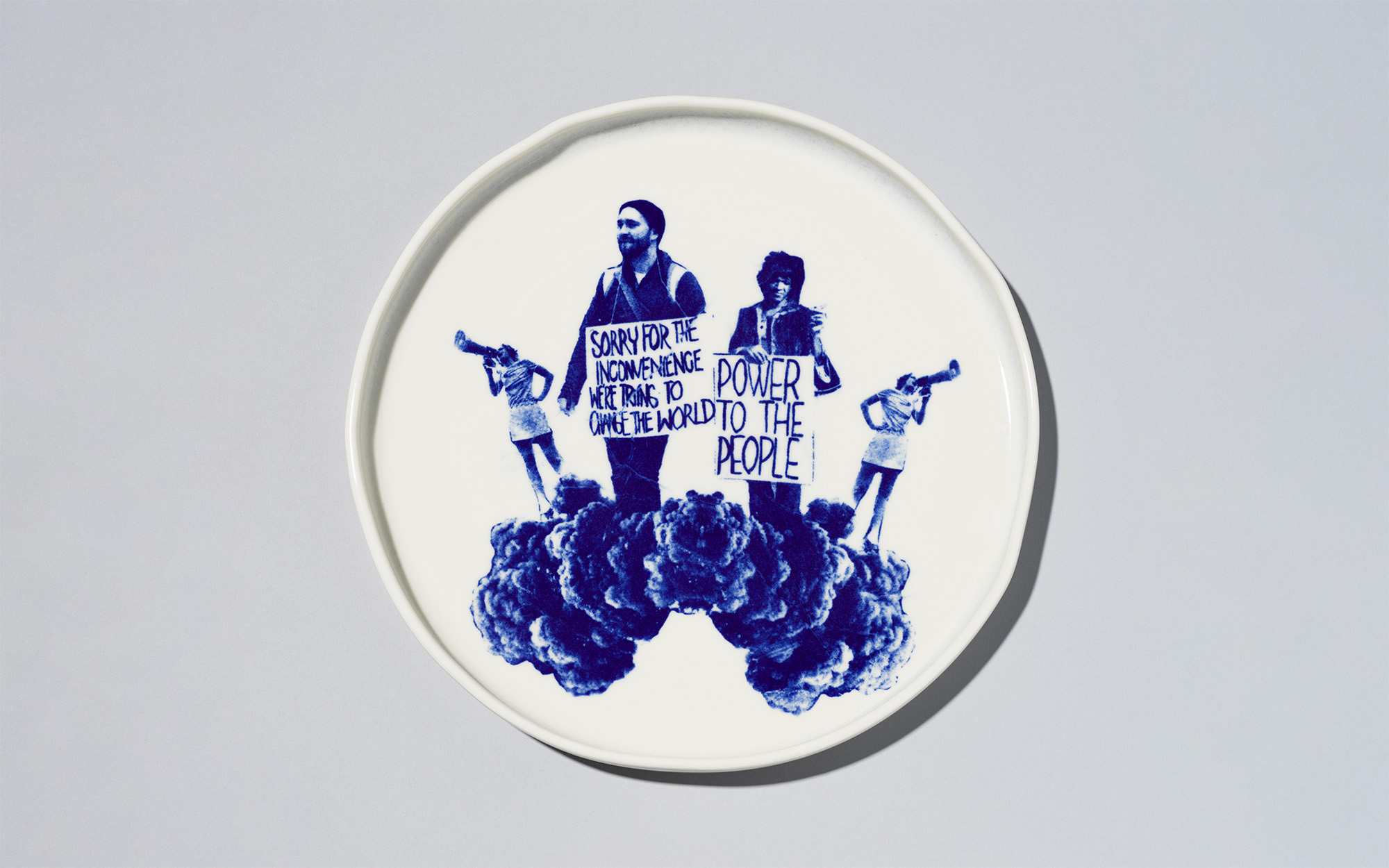
Protest Platter, 2020, Terence Hammonds (American, b. 1976), Breakfront Pottery (American, est. 2017), Monica Andino (Honduran, b. 1988), Pedro Moreno (Bolivian, b. 1953), Erika Nj Allen (Guatemalan, b. 1969), Adriana Prieto Quintero (Venezuelan, b. 1981), glazed stoneware with transfer print, Museum Purchase with funds from the Friends of African American Art, 2020.37, © Terence Hammonds 2020, photography by Rob Deslongchamps
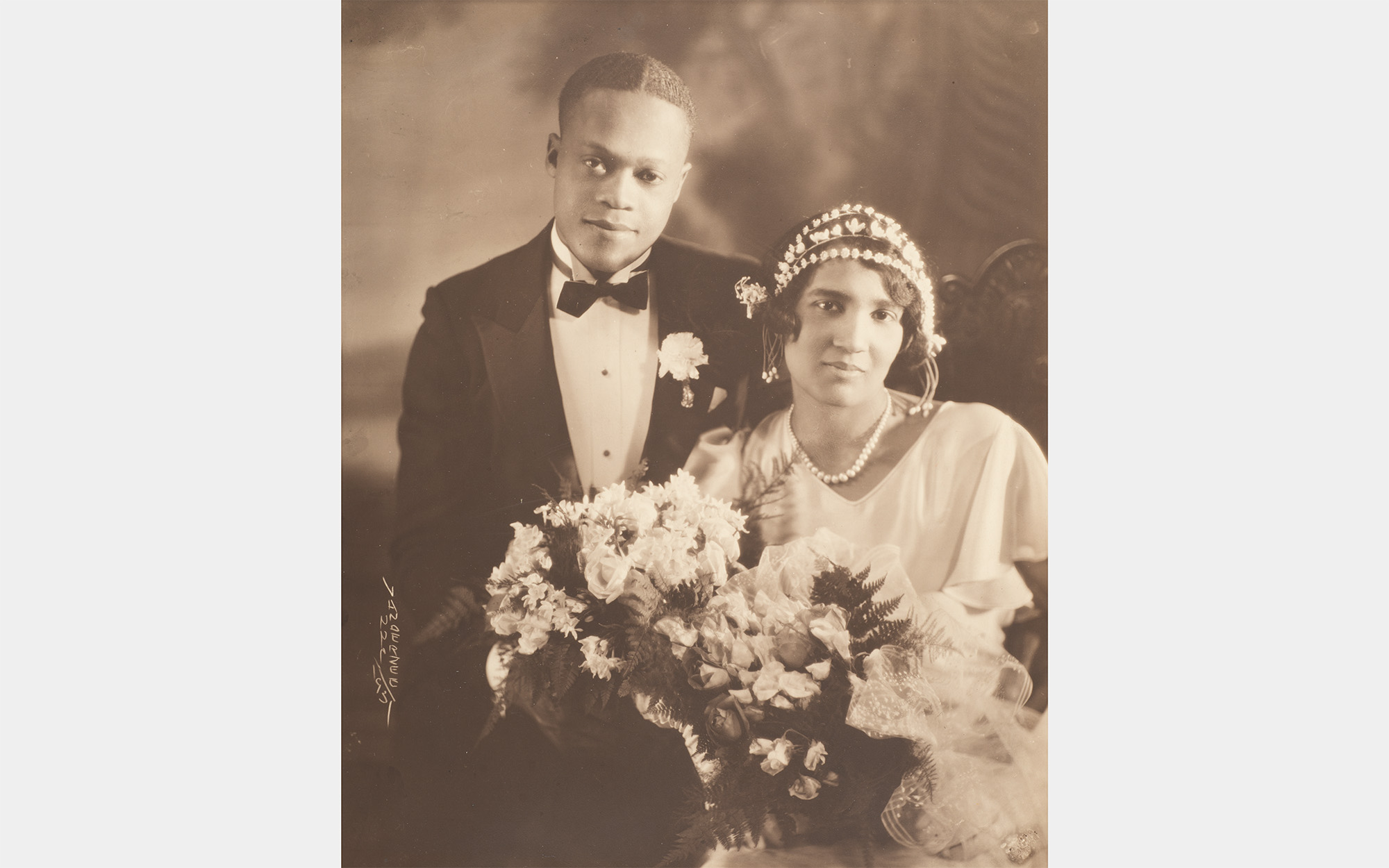
James Van Der Zee (American, 1886–1983), Bridal Couple, New York, 1931, gelatin silver print, Museum Purchase with funds provided by Carl Jacobs and the Fleischmann Foundation in memory of Julius Fleischmann, 2001.241, © James Van Der Zee Archive, The Metropolitan Museum of Art, photography by Rachel Ellison
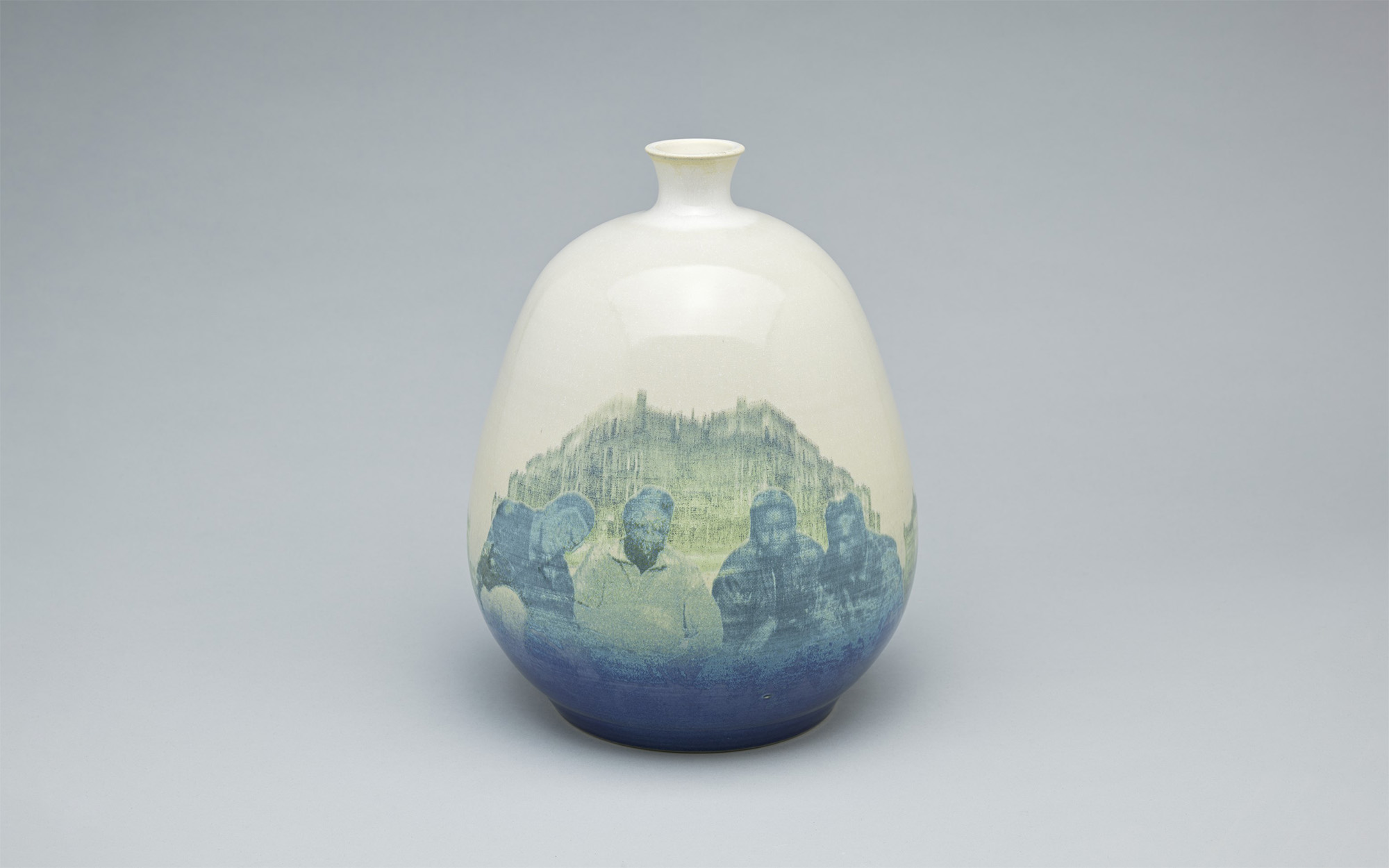
Free Press and Curl, 2024, Terence Hammonds (American, b. 1976), Morgan Willenbrink (American, b. 1992), potter, LaRae Fischer (American, b. 1991), glazer, The Rookwood Pottery (American, est. 1880), manufactory, glazed stoneware with transfer print, Museum Purchase: Friends of Decorative Arts & Design, 2024.202, © Terence Hammonds, photography by Rob Deslongchamps
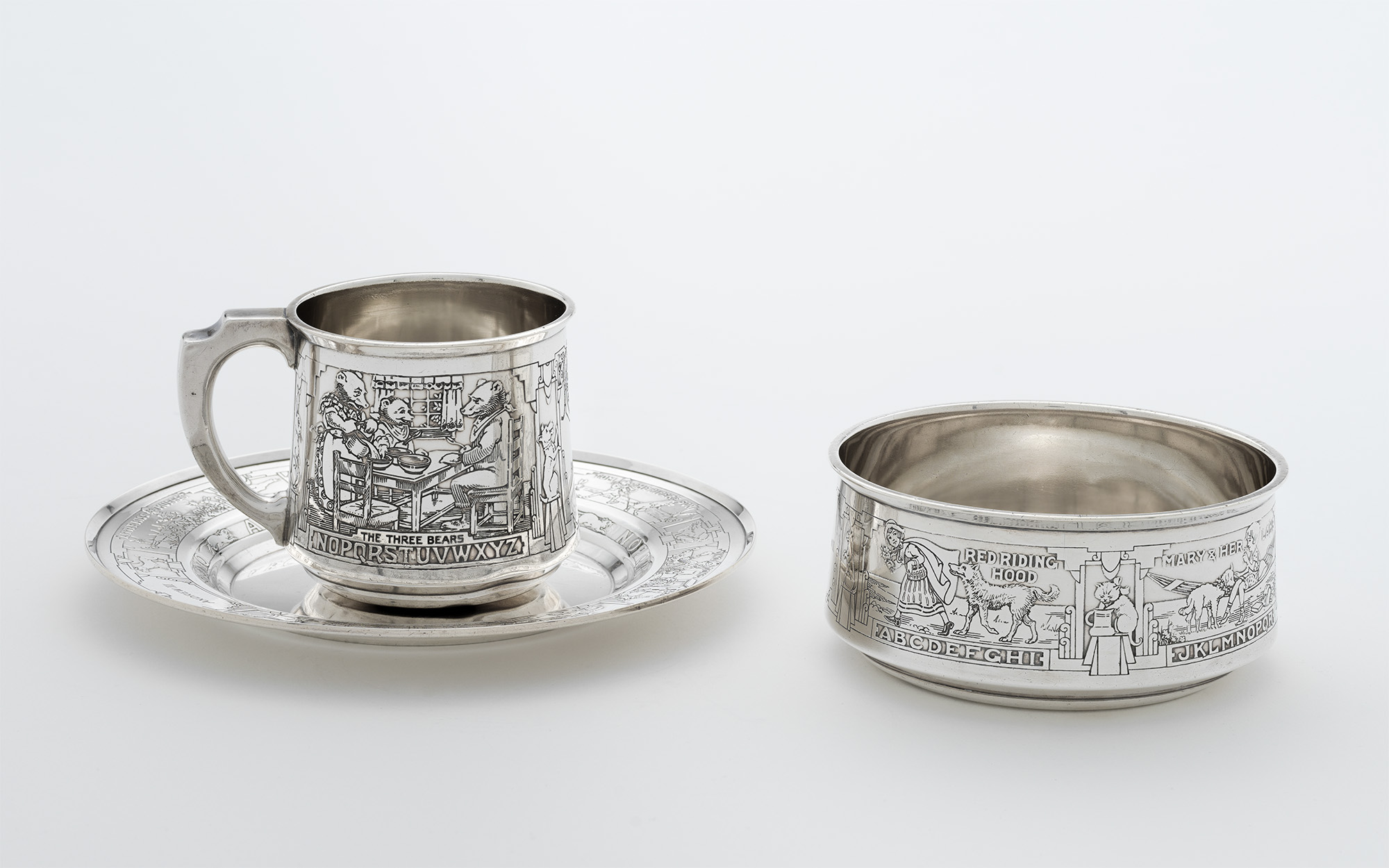
Child's Set: Plate, Bowl and Cup, 1929, Gorham Manufacturing Company (American, est. 1831), sterling silver, Gift of Andrew MacAoidh Jergens, 2018.2a–c, photography by Rob Deslongchamps
Terence Hammonds: Soul is a Ham Hock in Your Cornflakes
November 20, 2026–March 28, 2027
Vance Waddell and Mayerson Galleries (Galleries 124 and 125)
Free Admission
Press Release
With a title plucked from Funkadelic’s 1970 song "What is Soul?," this exhibition featuring the work of Cincinnati-based artist Terence Hammonds throws a proverbial ham hock into the museum’s bowl of cornflakes. As the song’s vivid lyrics suggest, power and meaning often emerge from unlikely combinations, and “nothing is quite good until you play with it.” Pairing historical objects from the museum’s collections with his newly created printed ceramics, wallpaper, and textiles, Hammonds constructs unexpected vignettes that speak to Black history, resilience, and cultural imagination. “By juxtaposing these objects, I aim to create a form of historical fiction—a speculative ‘what if’,” Hammonds explains. “Through pattern, narrative, and material culture, [the exhibition] imagines how the visual language of domestic heirlooms might look if shaped by the histories, stories, and aspirations of Cincinnati’s Black middle class.”
Accessing the Exhibition
This exhibition is presented in Galleries 125 and 124, located on the museum’s first floor directly across from the Terrace Café. Seating is available nearby in Gallery 126. Large print label booklets are available in Gallery 125 and online. Audio of select exhibition interpretation is available online and on the Bloomberg Connects app. For fidgets, social narratives, sensory headphones, and other tools, visit our CAM Access Cart. The Access Cart is located in the Schmidlapp Gallery (Gallery 151) just beyond the museum’s front lobby.
Free Exhibition Tours
Every Thursday from November 20–March 28, 6:30–7:30 p.m.
Community Opening—Terence Hammonds: Soul is a Ham Hock in Your Cornflakes
Thursday, November 19, 2026, 5–6 p.m.
CAM Presents – Looking Twice: Visual Representation and Black Cincinnati
Thursday, November 19, 2026, 6–7 p.m.
Evening for Educators
Thursday, January 21, 2027, 4–7 p.m.
Curator Conversation
Thursday, January 28, 2027, 6:30–7:30 p.m.

Cincinnati, OH 45202
Toll Free: 1 (877) 472-4226
Museum Hours
Museum Shop
Terrace Café
Library
Cincinnati Art Museum is supported by the tens of thousands of people who give generously to the annual ArtsWave Campaign, the region's primary source for arts funding.

Free general admission to the Cincinnati Art Museum is made possible by a gift from the Rosenthal Family Foundation. Exhibition pricing may vary. Parking at the Cincinnati Art Museum is free.
Generous support for our extended Thursday hours is provided by Art Bridges Foundation’s Access for All program.

General operating support provided by: