How'd They Do That?! The Frescos of Ermita de San Baudelio
by Erin Carmichael, Coordinator for the Rosenthal Education Center
10/29/2026
Have you ever wondered how frescos are removed from the walls of century-old chapels and buildings? Rosenthal Education Center (REC) Artist-in-Residence Kenton Brett was particularly inspired by the frescos from Ermita de San Baudelio on view in Gallery 203.
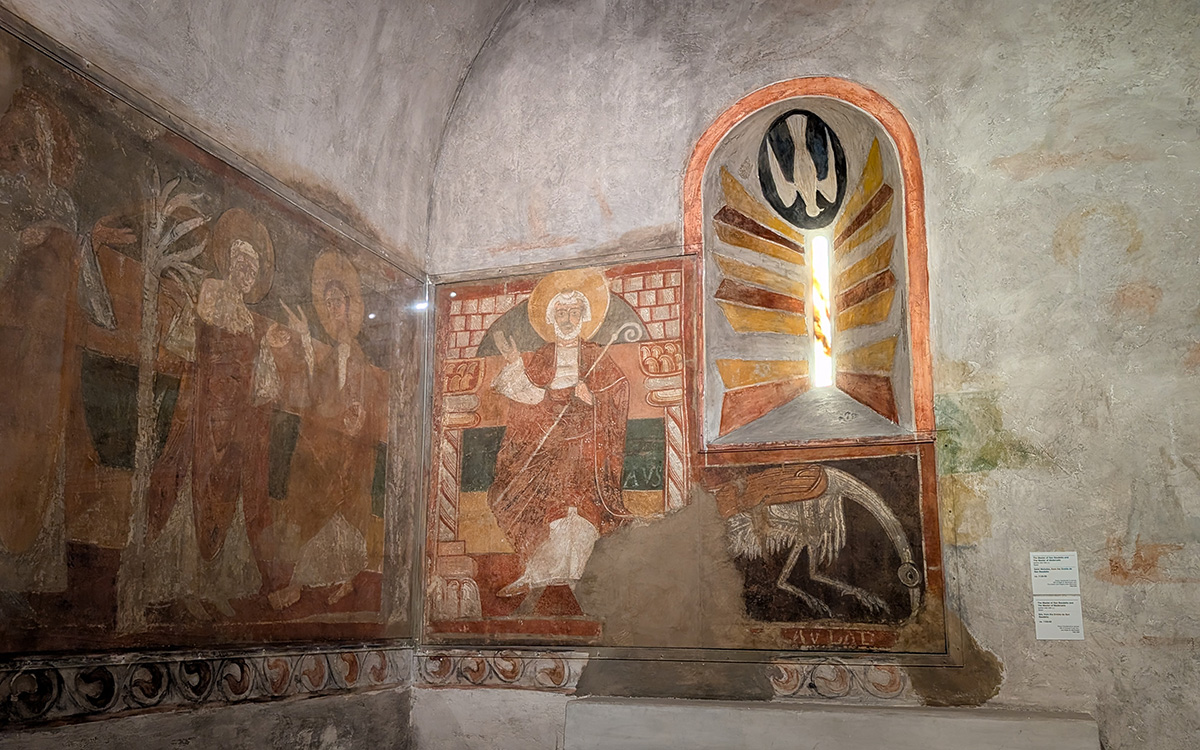
Master of San Baudelio (Spanish, 1133–1166), Frescoes from the Ermita de San Baudelio, circa 1125–1150, fresco transferred to canvas, The Edwin and Virginia Irwin Memorial and Gift of Elijah B. Martindale, 1962.599
A fresco is an artwork created by painting with water-based pigments on fresh, wet lime plaster. As the plaster dries, the paint is bonded to the surrounding surface, creating a durable work of art.
In the 1920s, many of the frescos from the Spanish chapel were removed by art conservators to prevent damage. The frescos of Ermita de San Baudelio are nearly one thousand years old, and thanks to museum conservation efforts, these paintings can be enjoyed by all for many years to come.
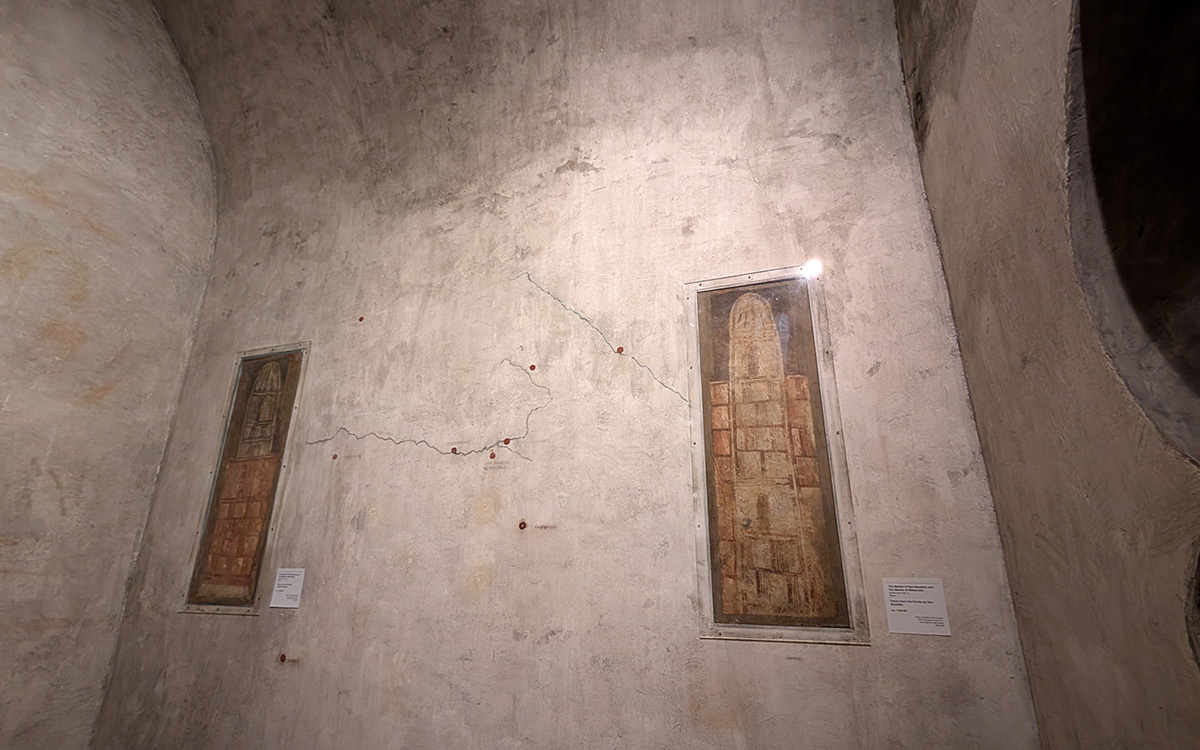
Master of San Baudelio (Spanish, 1133–1166), Tower frescoes from the Ermita de San Baudelio, circa 1125–1150, fresco transferred to canvas, The Edwin and Virginia Irwin Memorial and Gift of Elijah B. Martindale, 1962.599
While there are different techniques to remove frescos from the walls they are bonded to, the least damaging technique that might have been used in the 1920s is called the "strappo" technique.
Check out this video from the Museo de Bennozo Gozzoli in Castel Fiorentino, Italy to learn more about the "strappo" technique!
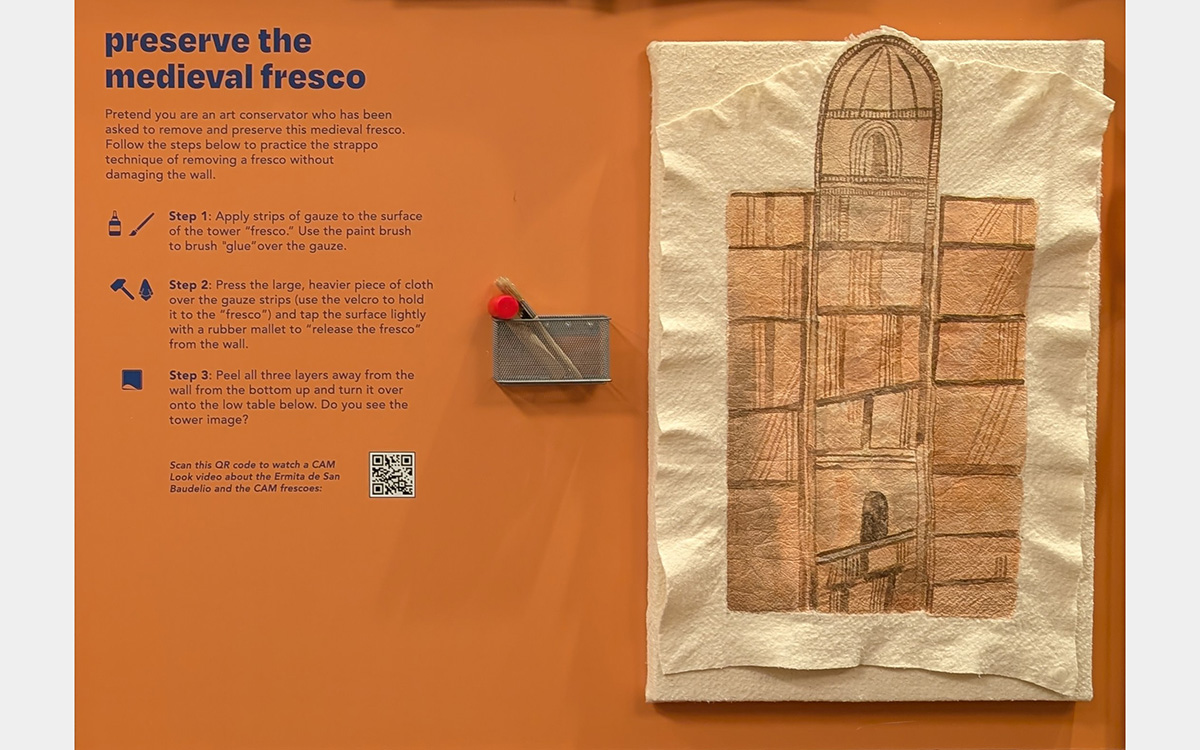
Want to try the technique yourself? From now until November 8, check out the wall activity "Preserve the Medieval Fresco" located in the REC and follow the steps to preserve a fresco all on your own!
Related Blog Posts

Cincinnati, OH 45202
Toll Free: 1 (877) 472-4226
Museum Hours
Museum Shop
Terrace Café
Library
Cincinnati Art Museum is supported by the tens of thousands of people who give generously to the annual ArtsWave Campaign, the region's primary source for arts funding.

Free general admission to the Cincinnati Art Museum is made possible by a gift from the Rosenthal Family Foundation. Exhibition pricing may vary. Parking at the Cincinnati Art Museum is free.
Generous support for our extended Thursday hours is provided by Art Bridges Foundation’s Access for All program.

General operating support provided by: