Neuroaesthetics: The Science Behind "Your Brain on Art"
by Bruce Petrie Jr., Board of Trustees Chair, Cincinnati Art Museum
8/27/2026
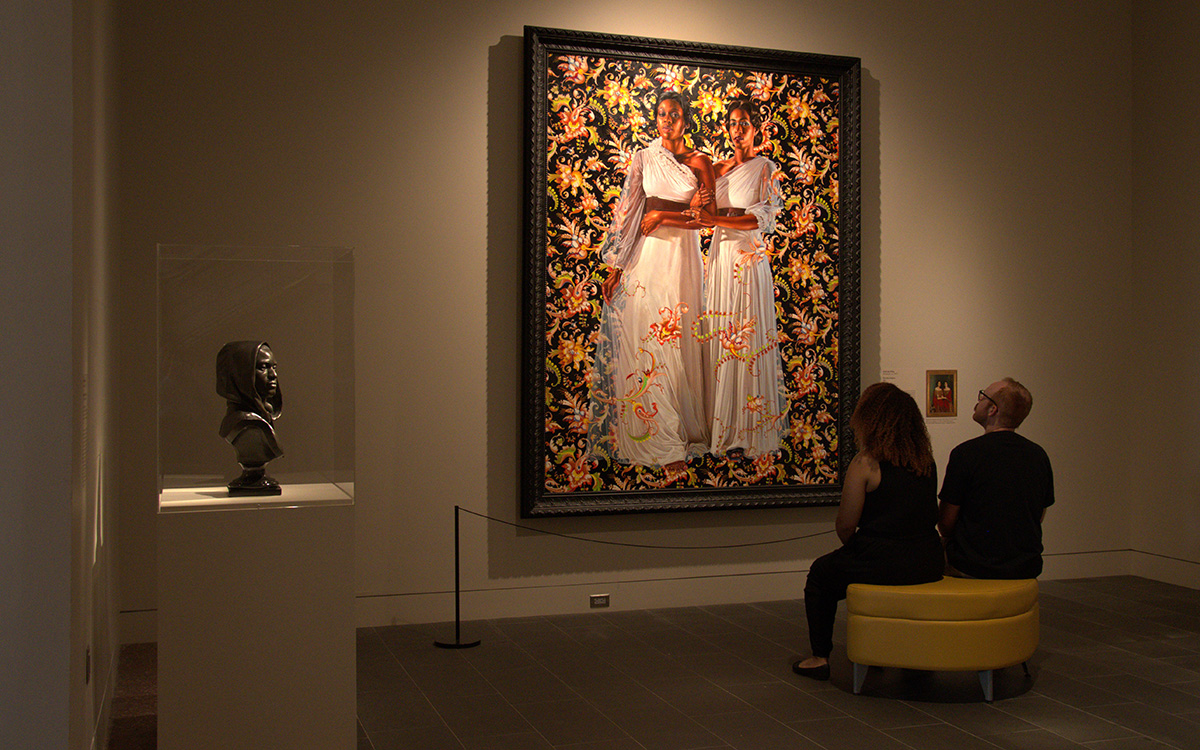
Kehinde Wiley (American, 1977), The Two Sisters, 2012, oil on linen, Gift of the Ragland Family, 2023.1
Neuroaesthetics or neuroarts is an exciting interdisciplinary science exploring and researching the connection between aesthetic experience and your brain. Neuroarts evidence is supporting something many people already imagine: that aesthetics are an essential aspect of human health and wellness. What is less known, but rapidly growing, is how “brain-on-aesthetics” works. You may be interested in reading the best-selling book by Susan Magsamen and Ivy Ross titled Your Brain on Art: How the Arts Transform Us (2023), an exciting introduction to neuroaesthetics.
Like every pioneering science in its early stages of exploration, public awareness requires some curiosity and open-mindedness to new thinking. This is especially so as we realize that the separated subject silos presented in grade school—art class versus science class, for example—are more about curriculum than reality. Aesthetics and brain science are intertwined, not separate silos.
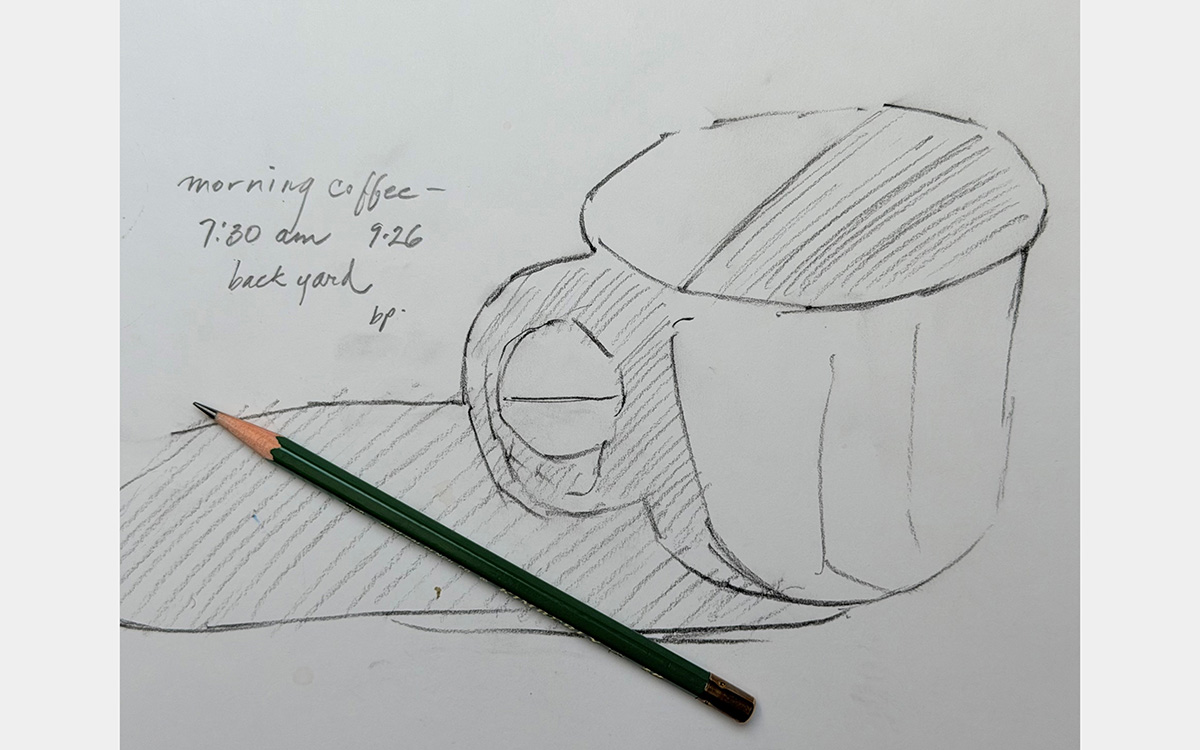
Good science about art and the human brain is evidence-based. For example, advancing technology in brain imaging shows that certain areas of the brain “light up” when a person is shown art. Measuring data about stress reveals stress reduction during art activities, such as a simple session of drawing. There’s much more.
Scientists are trained to break down complex subjects into simpler parts for research while knowing that reductionism can oversimplify. Art scholars face the same challenge: how to simplify a research subject without distorting it. You can’t study 10,000 works of art all at once, but if you limit the scope too much, you might not be able to expand your discoveries into a larger context.
Reductionism is a risk inherent in a topic as complex as your brain on art. The brain isn’t simple and neither is art. That’s why the future of neuroarts requires depth of study not only by neuroscientists, but by broad collaborations with art makers, historians, museums, and the public.
Related Blog Posts

Cincinnati, OH 45202
Toll Free: 1 (877) 472-4226
Museum Hours
Museum Shop
Terrace Café
Library
Cincinnati Art Museum is supported by the tens of thousands of people who give generously to the annual ArtsWave Campaign, the region's primary source for arts funding.

Free general admission to the Cincinnati Art Museum is made possible by a gift from the Rosenthal Family Foundation. Exhibition pricing may vary. Parking at the Cincinnati Art Museum is free.
Generous support for our extended Thursday hours is provided by Art Bridges Foundation’s Access for All program.

General operating support provided by: